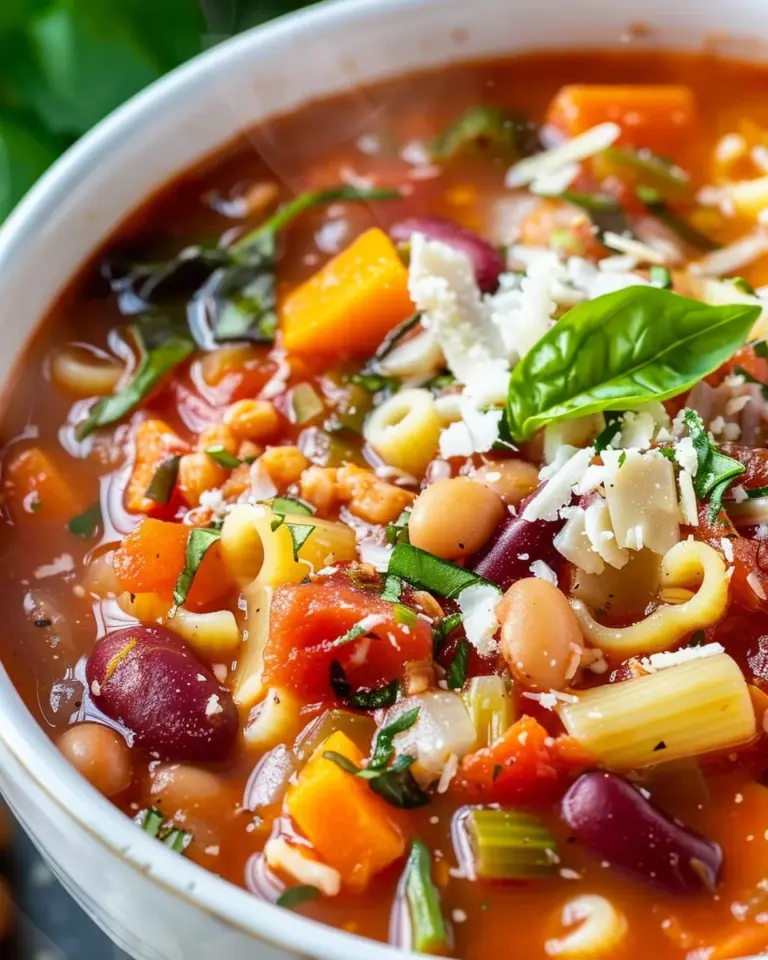
Creamy Vegetable Fish Soup
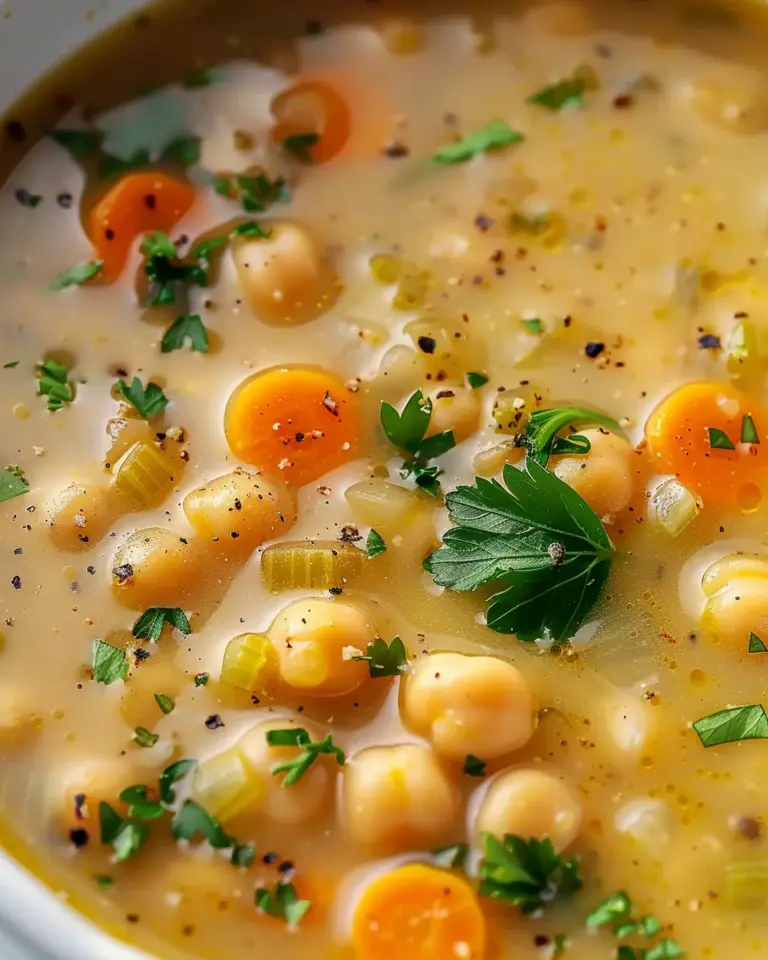
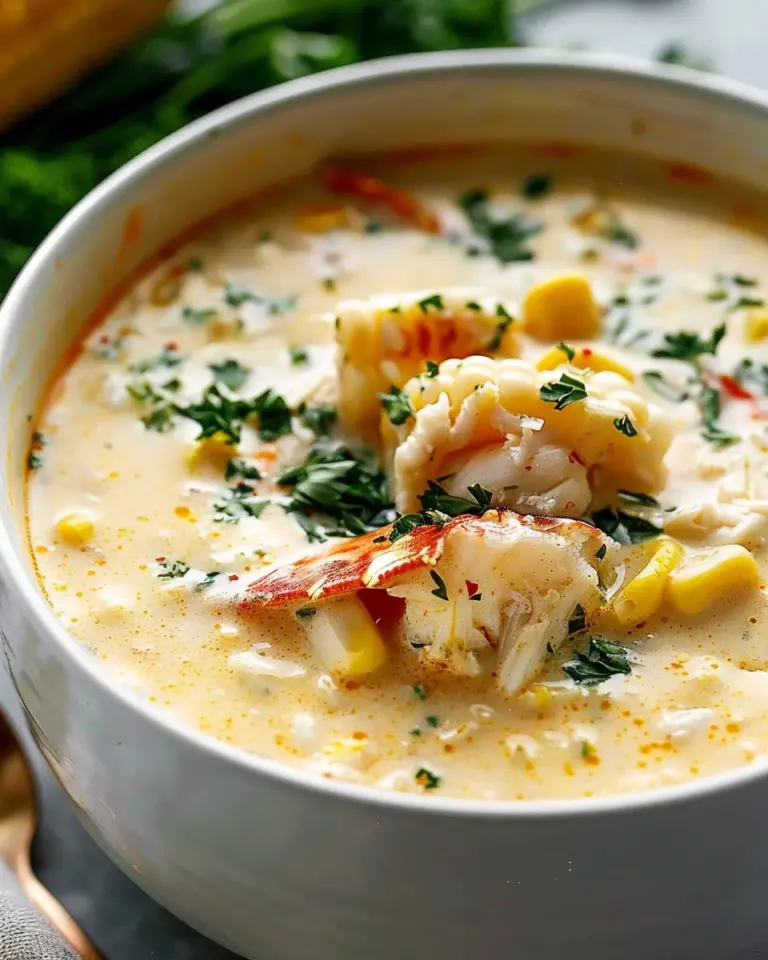
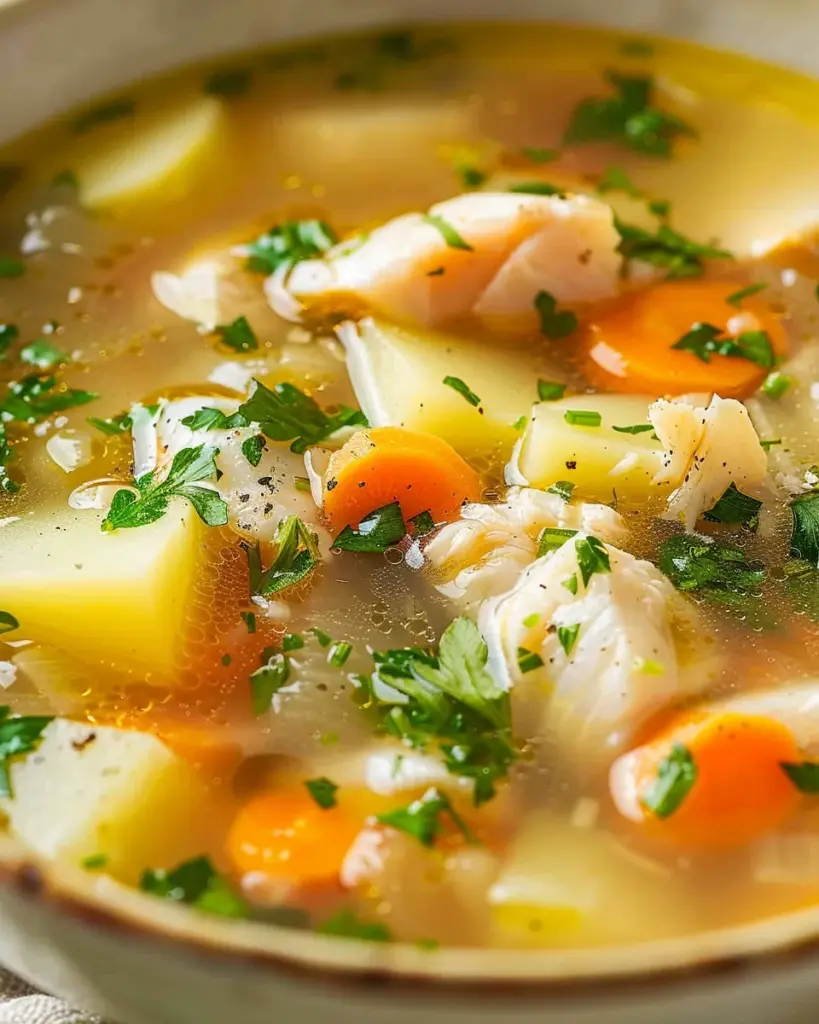
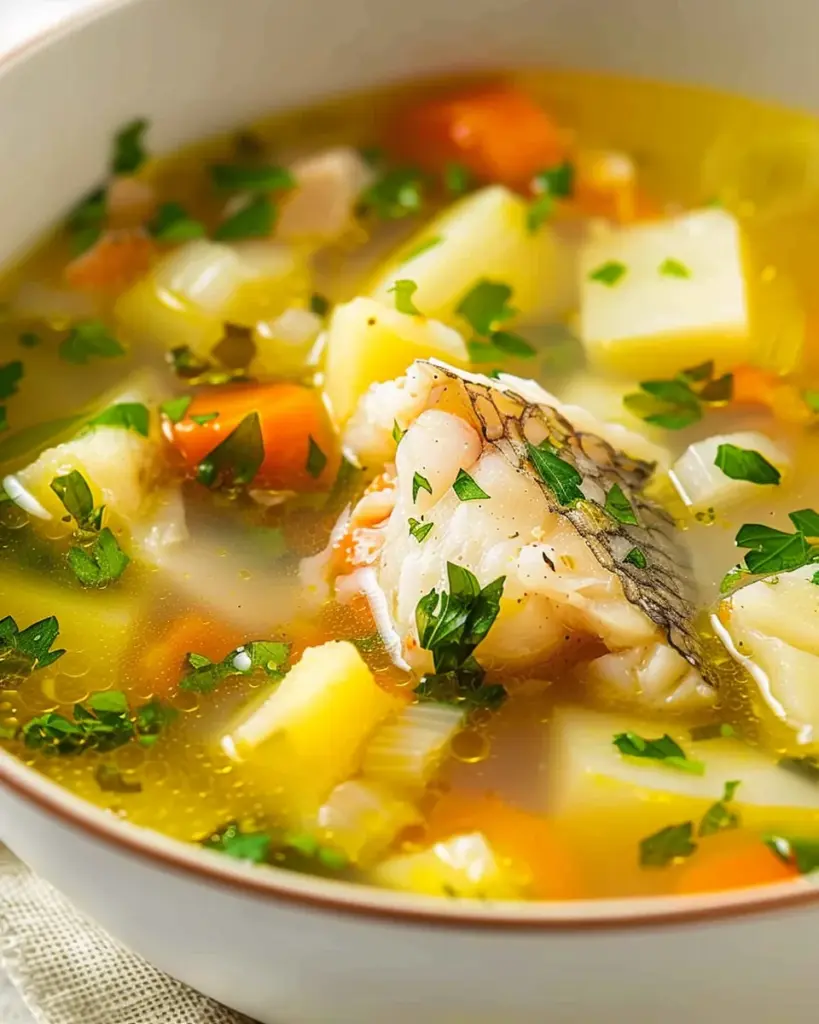
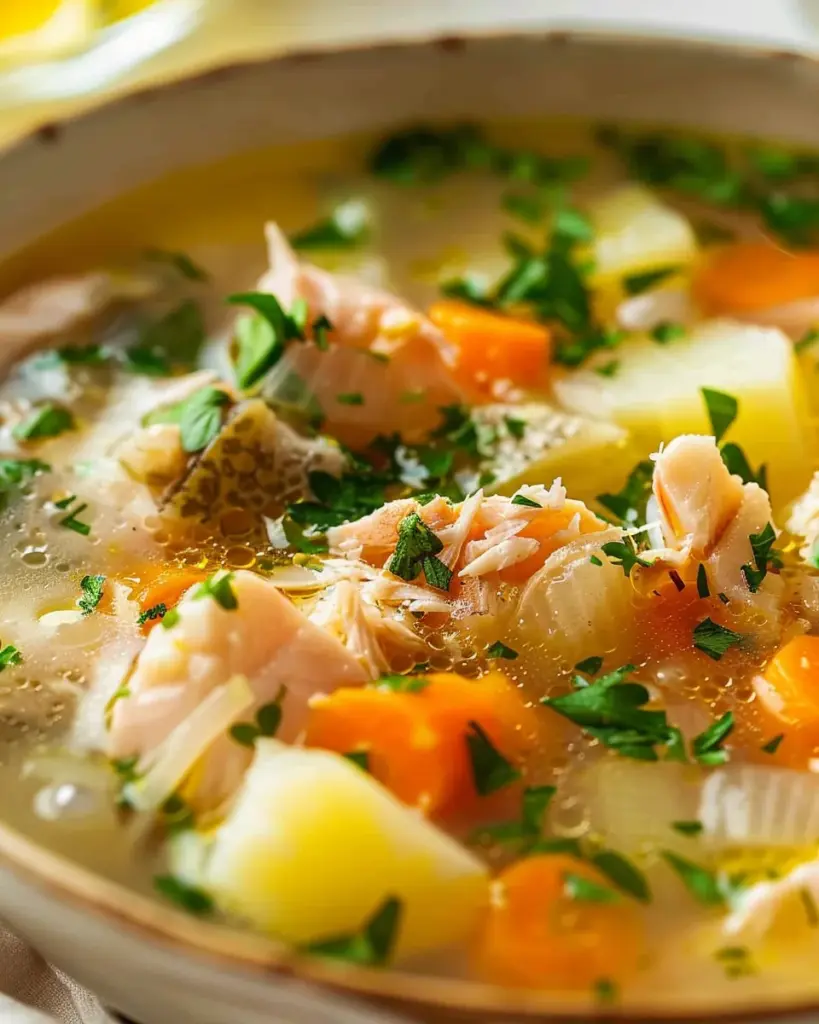
This creamy vegetable fish soup is the ultimate comfort food — warm, hearty, and rich with flavor, yet surprisingly light. Made with tender, flaky fish fillets and loaded with nutritious vegetables like carrots, peas, potatoes, and turnips, it’s a satisfying meal perfect for any day of the week. Whether you choose to use dairy or go dairy-free with coconut milk, this soup remains creamy, flavorful, and irresistibly comforting.
You’ll love this recipe because:
- It’s simple to prepare in just about an hour
- It works with a variety of fish: cod, mahi-mahi, tilapia, salmon, or even canned seafood
- It offers both dairy and dairy-free options
- It’s great for family dinners, meal prep, or cozy nights in
Let’s dive into the tools you need and how to prepare it properly.
Preparation Phase & Tools to Use
Essential Tools and Equipment
- Large soup pot – for cooking and combining all ingredients
- Baking tray – to bake fish fillets evenly
- Baking parchment – to prevent sticking and ensure easy cleanup
- Cooking spoon or soup ladle – for stirring and serving
- Sharp knife – for clean and efficient chopping
- Vegetable peeler – for prepping root vegetables
- Garlic mincer – to evenly mince garlic for maximum flavor
- Cutting board – a clean and sturdy surface for prep work
- Measuring cups and spoons – for accurate seasoning and liquid measurement
- Oven mitts – for safely removing hot items from the oven
- Optional: can opener – if using canned fish or coconut milk
Importance of Each Tool
Using the right tools ensures that each step of your cooking process is smooth and efficient. For example, baking fish on parchment ensures it doesn’t stick, keeping the fillets intact. A large soup pot prevents overflow and gives enough room for proper simmering. A garlic mincer helps evenly distribute the strong flavor of garlic, while measuring tools ensure the soup remains balanced and flavorful.
Preparation Tips
- Preheat your oven while prepping vegetables to save time
- Peel and chop all vegetables in advance to streamline cooking
- Mince garlic fresh before cooking to retain its aromatic oils
- If using canned fish, drain and remove bones and skin before use
- Use room temperature fish fillets for even baking
Ingredients List
Fish Options (choose one)
- 2–3 fillets of cod, mahi-mahi, tilapia, or salmon (cut in half)
- or 2 cans of tinned fish (tuna, salmon, sardines, or crab), skin and bones removed
Fats and Oils
- 1–2 tablespoons butter (for baking fish)
- 1 tablespoon cooking oil (for sautéing)
Vegetables
- 1 cup onion, diced
- 2 cups carrots, sliced or diced
- 1 cup potato, diced
- 1 cup turnip or rutabaga, diced
- 1 cup peas
Aromatics and Seasonings
- 3 tablespoons garlic, minced
- 2 teaspoons dried dill
- 2 teaspoons dried parsley
- 1 teaspoon ground paprika
Liquids
- 4 cups vegetable broth
- 1½ cups coconut milk, dairy milk, or heavy cream
Garnish
- ½ cup fresh parsley or dill, finely chopped
Tip: For a dairy-free version, use coconut milk. It adds a subtle sweetness that balances the savory fish and vegetables.
Step-by-Step Directions
1. Preheat and Bake the Fish
- Preheat the oven to 375˚F / 190˚C / Gas Mark 5
- Place fish fillets on a parchment-lined baking tray
- Add small pats of butter on top of each fillet
- Bake for 20 minutes until fish is opaque and reaches an internal temperature of 145˚F / 63˚C
- Remove from the oven, flake the fish, and set aside
- Remove any bones or skin before using
Variation: Instead of baking, pan-fry the fish in a bit of oil over medium heat for 5–8 minutes, turning once halfway.
2. Prep the Vegetables
- While the fish bakes, wash, peel, and chop all vegetables
- Mince garlic and set aside
- Keep ingredients organized for easy cooking
3. Sauté the Aromatics
- In a large soup pot, heat 1 tablespoon cooking oil over high heat
- Add diced onions and sauté for 5 minutes until deeply browned and caramelized
4. Add Vegetables in Stages
- Stir in carrots and cook for 5 minutes, stirring occasionally
- Add diced potatoes and turnips/rutabaga, cooking for another 5 minutes
5. Season and Simmer
- Add 3 tablespoons minced garlic, 2 teaspoons dill, 2 teaspoons parsley, and 1 teaspoon paprika
- Pour in 4 cups vegetable broth
- Bring the soup to a boil, then reduce heat and simmer for 15 minutes
6. Add Cream and Peas
- Stir in 1½ cups coconut milk, dairy milk, or cream
- Add 1 cup peas
- Simmer gently for another 5 minutes, stirring often
Tip: Avoid high heat after adding milk or coconut milk to prevent curdling.
7. Add Cooked Fish and Finish
- Gently stir the flaked fish into the soup
- Simmer for 2 more minutes to warm the fish through
- Taste and adjust salt, pepper, or seasonings as needed
8. Serve and Garnish
- Ladle the soup into bowls
- Garnish with fresh parsley or dill
- Serve hot with your choice of bread or salad
Why This Recipe Works
This creamy fish soup stands out because of its perfect balance between comfort food and nutrition. Baking the fish in butter enhances flavor while keeping the texture delicate. Caramelizing the onions adds a rich depth, while the combination of root vegetables and peas keeps the dish hearty but not heavy.
Using coconut milk or heavy cream ensures a rich, velvety texture that ties all the components together. Seasonings like dill, parsley, and paprika elevate the overall flavor without overpowering the fish or vegetables.
Serving Suggestions
A well-crafted creamy vegetable fish soup deserves equally thoughtful accompaniments. Pairing the soup with the right sides and beverages elevates the meal into a satisfying and well-balanced experience. Whether you’re serving it as a light main course or a comforting starter, these serving suggestions and sides will enhance the flavors, textures, and appeal of the dish.
Side Dish Recommendations
Each of these eight side dishes complements the creamy texture and delicate flavor of the soup while providing contrast in taste or texture.
1. Crusty Garlic Bread
Crusty garlic bread is a classic companion to creamy soups. Its crunchy exterior and soft center make it perfect for dipping into the velvety broth. Use a baguette or ciabatta, slice thickly, then brush with garlic butter and bake until golden. This side helps soak up every last drop of soup while adding texture and aroma.
2. Herbed Focaccia
Focaccia infused with rosemary, thyme, or parsley pairs beautifully with the herbs in the soup. Its airy, olive-oil-rich texture balances the soup’s creaminess, while its seasoning highlights the dill and parsley used in the main dish. Serve warm and cut into generous squares.
3. Lemon-Dressed Mixed Green Salad
A bright, crisp salad with a lemon vinaigrette offers a fresh contrast to the richness of the soup. Use arugula, spinach, or mixed baby greens, and toss with a dressing of olive oil, lemon juice, and a touch of honey or mustard. This acidic counterbalance brightens the overall meal.
4. Steamed Asparagus with Lemon Zest
Steamed asparagus offers a tender-crisp bite that mirrors the soup’s vegetable base without overpowering it. Add lemon zest or a dash of olive oil just before serving for a clean, elegant side that complements the soup’s gentle flavors.
5. Roasted Root Vegetables
Roast carrots, parsnips, sweet potatoes, and beets with olive oil, sea salt, and herbs. Roasting brings out their natural sweetness, which balances the savory soup. This dish also ties in well with the potatoes and carrots already in the soup, creating a cohesive meal.
6. Buttered Corn on the Cob or Corn Salad
Sweet, buttery corn offers a pleasant contrast to the creamy and slightly savory broth. Serve it hot off the cob or in a salad with lime juice and fresh herbs. The sweetness of corn plays well with the mild fish and hearty vegetables.
7. Whole-Grain Dinner Rolls
Whole-grain rolls add heartiness and extra fiber. Toast them slightly and serve with butter or a dairy-free spread. These rolls are especially satisfying for those seeking a more filling meal without overpowering the soup.
8. White Wine or Sparkling Water with Citrus
If serving beverages, go for a light white wine such as Sauvignon Blanc or Pinot Grigio. These wines cut through the soup’s creaminess and pair well with fish. For non-alcoholic options, sparkling water with a squeeze of lemon or lime refreshes the palate between bites.
Common Mistakes to Avoid & How to Perfect the Recipe
Even simple recipes can go awry without attention to a few key details. Avoid these common mistakes to ensure your creamy vegetable fish soup turns out perfectly every time.
Overcooking the Fish
Fish should be cooked just until flaky. Overcooking leads to a dry, rubbery texture that detracts from the soup’s creaminess. Use a thermometer to check for doneness — fish is cooked at an internal temperature of 145˚F (63˚C).
Fix: Bake fish separately and add it to the soup just before serving. If using canned fish, add it at the end and warm gently.
Not Browning the Onions
Browning onions builds a sweet, savory flavor base. Skipping this step can result in a flat-tasting soup.
Fix: Sauté onions over high heat until deep golden brown. Don’t rush this step.
Adding Dairy or Coconut Milk Too Early
High heat can cause dairy or coconut milk to curdle or separate, affecting both texture and appearance.
Fix: Always add milk or coconut milk after the soup has simmered and just before serving.
Using Water Instead of Broth
Using water instead of vegetable broth leads to a less flavorful soup.
Fix: Use high-quality vegetable broth for depth and richness.
Inconsistent Vegetable Cuts
Unevenly chopped vegetables will cook at different rates, resulting in some being overcooked and others undercooked.
Fix: Aim for uniform, bite-sized pieces for even cooking and better presentation.
Not Tasting Before Serving
Seasoning needs adjustment after adding all ingredients, especially fish and milk.
Fix: Taste the soup once the fish is added and adjust salt, pepper, and herbs to your preference.
Freezing the Finished Soup
While it may be tempting to freeze leftovers, dairy-based soups often separate when thawed and reheated.
Fix: If you want to freeze portions, do so before adding dairy or fish. Add those components fresh when reheating.
Recipe Tips, Storage and Reheating Instructions
To ensure your creamy vegetable fish soup turns out delicious every time — and stores well for future meals — follow these essential tips and techniques.
Recipe Tips
1. Use firm, mild fish
Select fish like cod, mahi-mahi, tilapia, or salmon. These varieties hold their shape well and offer mild flavors that blend with vegetables and broth.
2. Bake the fish with butter
Baking the fish with butter creates a rich, savory flavor and reduces the fishy taste. It also keeps the fish tender and moist.
3. Add milk or coconut milk last
Cream or coconut milk should be added in the final minutes to prevent curdling or separation. Avoid boiling the soup once the dairy is added.
4. Cook vegetables in stages
Layering the vegetables during cooking builds flavor and ensures even texture. Start with onions, then add carrots, root vegetables, and finish with peas.
5. Don’t skip the garnish
Fresh parsley or dill brightens the finished dish and adds visual appeal. Add just before serving for the freshest flavor.
6. Customize with add-ins
Enhance the soup with extras like sweet corn, spinach, kale, or leeks. Spice lovers can add a pinch of cayenne or red pepper flakes.
7. For thicker soup
If you prefer a thicker soup, mix 1 tablespoon of cornstarch with 1 tablespoon of cold water. Stir it in during the final simmer.
8. Turn it into a chowder
Add more cream and reduce the broth slightly for a thicker, chowder-like consistency. Use chunks of fish instead of flaked pieces.
Storage and Reheating Instructions
Proper storage ensures your soup stays safe and tasty for days.
Refrigeration
- Cool the soup to room temperature within 2 hours after cooking.
- Transfer to an airtight container and store in the refrigerator.
- Consume within 2 to 3 days for the best quality and safety.
Freezing (with caution)
- Creamy soups with fish are not ideal for freezing due to texture changes.
- If necessary, freeze the soup before adding the dairy and fish. Add them fresh when reheating.
- Store in freezer-safe containers, leaving room for expansion.
Reheating
- Reheat on the stove over low to medium heat, stirring gently.
- Avoid boiling, especially if using coconut milk or cream, as it may separate.
- If reheating in the microwave, use medium power in short intervals and stir between each session.
- If the soup thickens too much, add a splash of broth or milk to loosen the texture.
Frequently Asked Questions (FAQs)
Can I use any type of fish for this soup?
Yes. Cod, salmon, mahi-mahi, and tilapia all work well. Canned fish such as tuna, salmon, sardines, or crab are also suitable. Just make sure to remove bones and skin if present.
What can I use instead of dairy milk?
Full-fat coconut milk is the best substitute for dairy. It adds richness and a subtle sweetness. You can also use almond milk or oat milk, but they may yield a thinner consistency.
Can I make this soup vegan?
Yes. Omit the fish and use plant-based protein like tofu or white beans. Use coconut milk and vegetable broth for a completely vegan version. Note that the flavor profile will shift significantly.
How long does the soup keep in the fridge?
The soup is best consumed within 2 to 3 days. Store it in an airtight container and refrigerate promptly after cooling.
Can I freeze this soup?
It’s not recommended to freeze the fully finished soup due to separation and texture changes in the dairy and fish. You can freeze the base (vegetables and broth) and add fresh dairy and fish when reheating.
How do I prevent the soup from curdling?
Add dairy or coconut milk at the very end and do not boil after it’s added. Always reheat gently over medium heat and stir frequently.
How do I reduce the fishy taste?
Use mild fish and bake it with butter. Adding fresh herbs and a splash of lemon juice at the end can also help balance the flavors.
What sides pair best with this soup?
Crusty garlic bread, herbed focaccia, roasted root vegetables, or a light lemon-dressed salad all pair beautifully. See the Serving Suggestions section for full details.