Fisherman’s Soup
Fisherman’s Soup is a bold, fiery dish that captures the essence of Hungary’s rich culinary tradition in every spoonful. The deep, smoky paprika‑infused broth, brimming with tender, flaky fish, delivers a perfect balance of heat and depth. This soup isn’t just a meal; it’s an experience—one that brings warmth, comfort, and a touch of rustic charm to the table. The combination of fresh river‑fish, robust spices, and a hint of sweetness from slow‑cooked onions creates a dish that is both simple and incredibly flavorful.
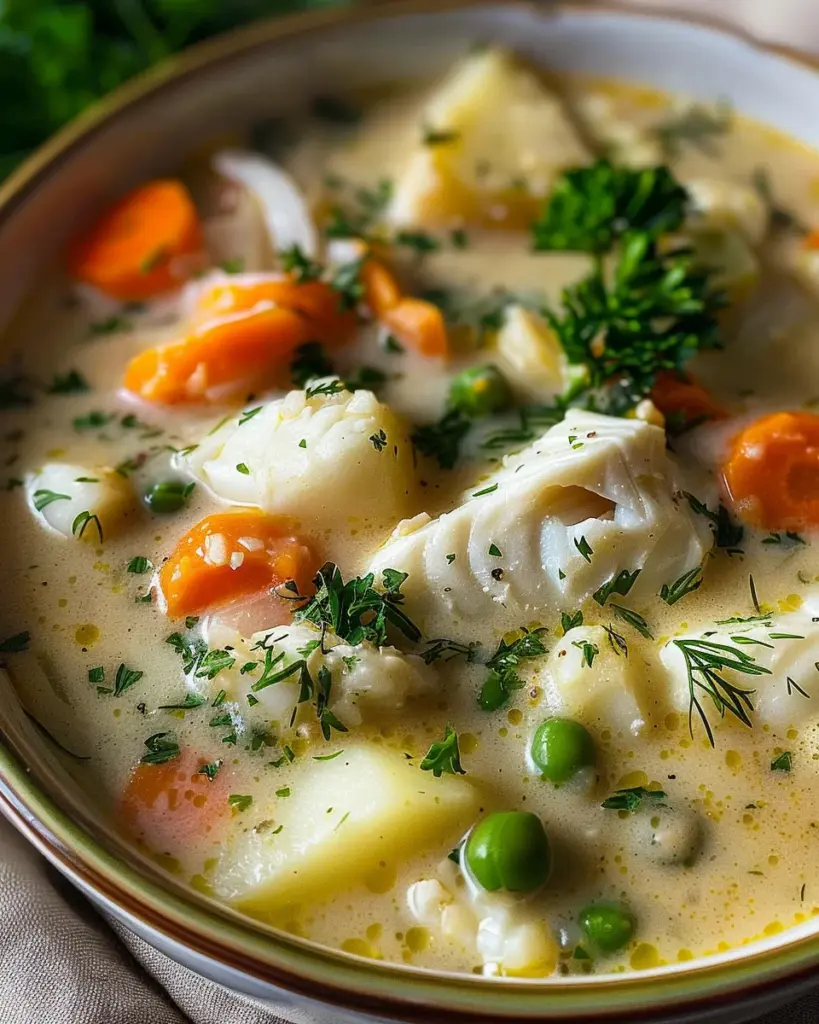
Mention the recipe appeal, uses, and any unique features
- Appeal: The vivid red colour, the aromatic smokiness of sweet and smoked paprika, and the rich but lean fish pieces make this dish visually striking and deeply satisfying.
- Uses: Ideal for chilly evenings, gatherings with friends or family, or any time you want a comforting yet light seafood dish.
- Unique features:
- The use of paprika not only adds flavour but gives the dish its signature colour and heat.
- The origin from riverside fishermen cooking in kettles over open flame adds rustic authenticity.
- Mix of fish types (traditionally freshwater) and generous aromatics make this more than a typical fish soup.
Readers will love this recipe because it offers:
- A vivid, memorable flavour profile—with smoky paprika, tender fish, and warming herbs.
- A satisfying yet healthy approach to seafood—high in protein, low in heavy cream or butter.
- Creativity and customisation opportunities—choose your preferred seafood mix, spice level, and sides.
- A connection to tradition and place—which adds story and depth to mealtime.
Preparation Phase & Tools to Use
Essential Tools and Equipment
- A large heavy‑bottomed pot (ideally 4–6 litres) to accommodate liquid, fish, and vegetables evenly.
- A wooden spoon or heat‑resistant spatula for stirring and sautéing without scratching the pot.
- A sharp chef’s knife and cutting board for preparing fish and vegetables safely.
- A strainer or slotted spoon, if you wish to remove shells or fish bones before serving.
- A ladle for serving; optional bowls with wide rims to present the soup attractively.
- A measuring cups and spoons for accurate seasoning (especially important with paprika and salt).
Importance of Each Tool
- The heavy‑bottomed pot ensures even heat distribution and prevents scorching of paprika or vegetables.
- The wooden spoon allows gentle stirring without damaging non‑stick surfaces and is safe with hot oil.
- A sharp knife and stable board make fast, safe work of fish fillets and vegetable prep, reducing mishaps.
- The strainer or slotted spoon helps manage shellfish and bones, improving texture for guests less comfortable with fish bones.
- A ladle improves serving experience, helping portion the broth and seafood evenly.
- Precise measuring tools keep the balance of flavour consistent—especially when adjusting spice, salt, or acidity.
Preparation Tips
- Clean and pat dry your seafood ahead of time — moisture on the fish will reduce the broth’s heat and clarity.
- Toast or briefly warm paprika in the oil at the start (as many Hungarian recipes advise) to release its aroma.
- Pre‑chop vegetables (onion, celery, carrot, bell pepper) so you can sauté without delay—this helps build a strong flavour base.
- If using shellfish, rinse and discard any that are open before cooking—they may indicate spoilage.
- Adjust spice gradually—if using red pepper flakes or hot paprika, start modestly and taste before adding more.
- Use fresh lemon juice at the finish for brightness and to lift the flavours of the seafood and paprika.
List all required ingredients in a clear and organised format
Base Ingredients
- 1 tablespoon olive oil
- 1 large onion, finely chopped
- 2 garlic cloves, minced
- 1 large carrot, diced
- 1 celery stalk, diced
- 1 red bell pepper, diced
- 1 teaspoon paprika
- 1 teaspoon smoked paprika
- 1 teaspoon ground black pepper
- ½ teaspoon red pepper flakes (optional, for heat)
- 1 teaspoon salt (adjust to taste)
- 1 teaspoon dried oregano
- 1 teaspoon dried thyme
- 1 bay leaf
Liquid and Flavor Enhancers
- 4 cups fish stock (or vegetable broth)
- 1 (14‑ounce) can crushed tomatoes
- 2 tablespoons tomato paste
- 1 teaspoon sugar (balances acidity)
- 2 cups water
- Juice of 1 lemon
- Fresh parsley or cilantro for garnish
Seafood Selection (for approx. 6 servings)
- ½ pound firm white fish (cod, halibut, tilapia, or snapper), cut into chunks
- ½ pound shrimp, peeled and deveined
- ½ pound mussels or clams, cleaned
- ½ pound squid or scallops (optional)
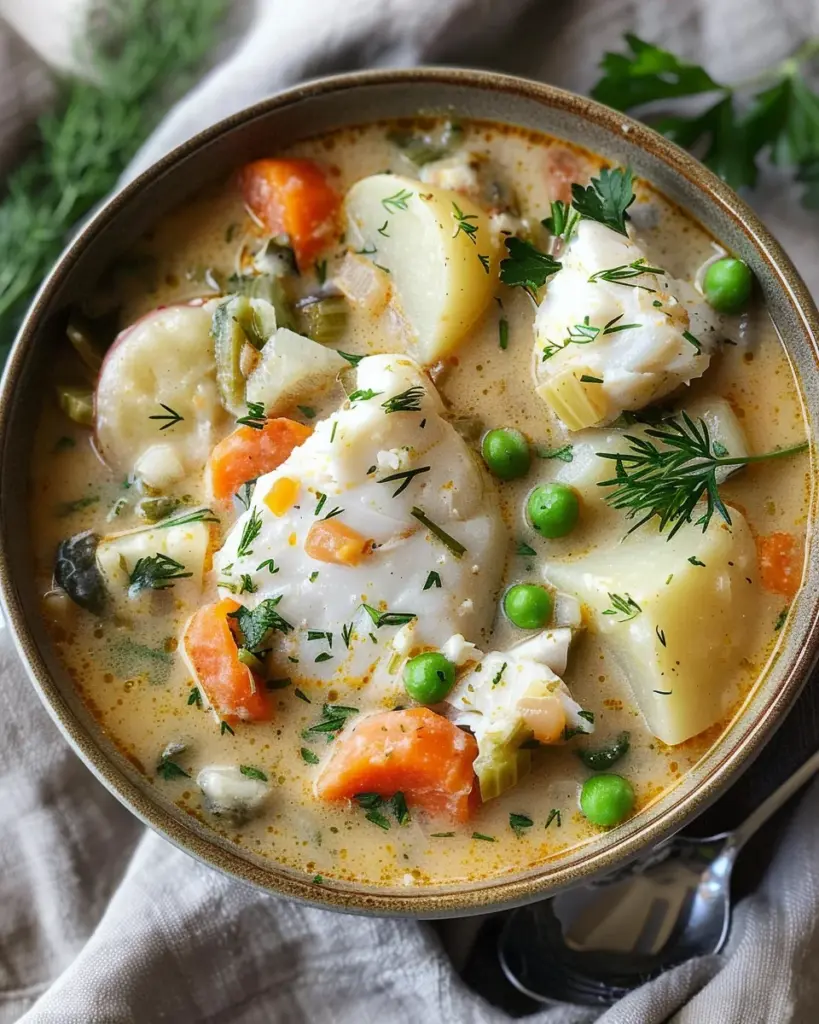
Step‑by‑Step Directions
Prepare the Base
- Heat the olive oil in your large pot over medium heat.
- Add the chopped onion, garlic, carrot, and celery. Cook for about 5 minutes until softened and fragrant.
- Add the diced red bell pepper. Stir and cook another 3 minutes.
- Season the vegetables by adding paprika, smoked paprika, black pepper, red pepper flakes (if using), salt, oregano, thyme, and the bay leaf. Stir well to coat the vegetables with the spices.
Build the Soup’s Flavor
5. Stir in the tomato paste and cook for 2 minutes; this deepens its flavour.
6. Add the crushed tomatoes, fish stock, and water. Stir to combine.
7. Mix in the sugar and bring the soup to a gentle boil.
8. Once boiling, reduce the heat and let it simmer uncovered for about 20 minutes so the flavours meld.
Cook the Seafood
9. Gently add the firm fish chunks into the simmering soup. Cook for about 5 minutes.
10. Add the shrimp, mussels (or clams), and optional squid/scallops. Cover the pot and cook for another 5–7 minutes, until the shellfish open and the seafood is cooked through.
11. Stir in the lemon juice for a bright, fresh finish.
12. Remove the bay leaf. Garnish the soup with fresh parsley or cilantro.
Garnish & Serve
13. Serve the soup hot in bowls. Provide thick slices of crusty bread for soaking up the broth or steamed rice if preferred.
Tips or variations (where applicable)
- If you prefer a thicker broth, blend a small portion of the soup base before adding the seafood, then add the seafood as above.
- For a milder version, omit the red pepper flakes and reduce smoked paprika.
- To boost vegetable content, you could add diced zucchini or potatoes at the base‑sauté stage—adjusting liquid as needed.
- If skipping shellfish, increase the amount of firm fish or add tofu for a vegetarian‑friendly swap.
Serving Suggestions
Fisherman’s Soup is best enjoyed steaming hot, served in wide, shallow bowls that showcase the vibrant red broth and the delicate chunks of fish and shellfish. Here are several serving options to elevate the experience:
- With Crusty Artisan Bread
Thick slices of rustic sourdough or baguette are ideal for soaking up the bold, spicy broth. - Over Steamed Rice
Serving the soup over a bed of plain or lightly seasoned rice adds heartiness and balances the soup’s heat. - With Garlic Toast
A crisp piece of garlic-rubbed toast complements the smoky paprika and enhances the overall flavor profile. - Paired with Light White Wine
A crisp, acidic white wine such as Sauvignon Blanc or Grüner Veltliner contrasts beautifully with the soup’s depth. - With a Fresh Green Salad
A simple mixed greens salad with a lemon vinaigrette helps balance the richness of the broth. - Served as a Starter
Present in smaller portions as a flavorful first course for a seafood-themed dinner. - Alongside Pickled Vegetables
Hungarian-style pickled cucumbers or mixed pickles bring a tangy crunch to the meal. - In a Bread Bowl
For a more dramatic presentation, serve the soup in hollowed-out bread loaves.
Common Mistakes to Avoid & How to Perfect the Recipe
Avoiding common pitfalls ensures that your Fisherman’s Soup comes out full of flavor and perfectly textured every time.
Mistake 1: Using Low-Quality or Frozen Seafood
- Avoid: Seafood with excess moisture or off-odors.
- Solution: Always use the freshest seafood available. If using frozen, thaw thoroughly and pat dry to preserve texture.
Mistake 2: Overcooking the Seafood
- Avoid: Simmering the seafood too long, which makes it rubbery.
- Solution: Add delicate seafood (shrimp, mussels) in the last 5–7 minutes and remove from heat once done.
Mistake 3: Burning the Paprika
- Avoid: Adding paprika to overly hot oil.
- Solution: Lower the heat slightly before adding spices and stir continuously for just 30–60 seconds.
Mistake 4: Not Layering Flavors
- Avoid: Dumping all ingredients in at once.
- Solution: Build flavors in stages—sauté aromatics first, then spices, then add liquids and simmer.
Mistake 5: Using Too Much Salt Early On
- Avoid: Overseasoning before the stock reduces.
- Solution: Salt lightly at the beginning and adjust before serving.
Mistake 6: Skipping Acid
- Avoid: Ending with a flat-tasting broth.
- Solution: Finish with fresh lemon juice or vinegar to brighten the flavors.
Mistake 7: Not Skimming the Broth
- Avoid: Leaving excess scum or foam, especially from shellfish.
- Solution: Skim the broth gently during simmering for a clean, clear soup.
Mistake 8: Forgetting Garnishes
- Avoid: Serving without herbs or finishing touches.
- Solution: Add fresh parsley or cilantro to lift the dish visually and in flavor.
Side Dish Recommendations
Pairing Fisherman’s Soup with the right sides can turn it into a complete and memorable meal. Below are 8 flavorful options:
1. Hungarian Potato Pancakes (Tócsni)
- Crispy on the outside, tender inside, and perfect for dipping into the soup’s broth.
2. Fresh Dill Cucumber Salad
- Light and refreshing, with yogurt or vinegar dressing to balance the richness of the soup.
3. Rustic Garlic Bread
- Grilled or oven-toasted garlic bread brushed with olive oil complements the smoky broth.
4. Roasted Root Vegetables
- Carrots, parsnips, and beets roasted with herbs offer earthy sweetness to contrast the soup’s spice.
5. Hungarian Pickled Peppers
- Adds tang and mild heat, offering a traditional side element often served with soups in Hungary.
6. Steamed Jasmine or Basmati Rice
- Soaks up the broth and turns the soup into a hearty one-bowl meal.
7. Lemon Orzo Salad
- A zesty orzo pasta salad with parsley, lemon juice, and olive oil pairs beautifully with the soup.
8. Herbed Flatbread
- Warm flatbread sprinkled with oregano or thyme for a Mediterranean twist.
Recipe Tips
These expert tips will help ensure your Fisherman’s Soup turns out delicious every time and allow you to personalize the recipe to suit your preferences.
Tip 1: Use a Mix of Freshwater and Saltwater Fish
- Combining mild white fish like cod or snapper with richer varieties like salmon deepens the broth’s flavor.
Tip 2: Balance the Heat
- Hungarian paprika ranges from sweet to hot. Mix types to suit your preference, or start mild and adjust gradually.
Tip 3: Use Homemade Fish Stock
- For optimal flavor, prepare your own fish stock using fish bones, onion, celery, and herbs simmered for 45–60 minutes.
Tip 4: Add Fresh Herbs at the End
- Stir in chopped parsley or dill just before serving for a vibrant, herbaceous finish.
Tip 5: Control Broth Thickness
- If you want a thicker soup, puree a small portion of the base (without seafood) and return it to the pot before serving.
Tip 6: Avoid Overcrowding the Pot
- If cooking for a large group, make the broth in batches to avoid steaming instead of simmering the seafood.
Tip 7: Infuse With Wine or Brandy (Optional)
- For a deeper aroma, sauté aromatics with a splash of dry white wine or brandy before adding stock (skip for alcohol-free version).
Tip 8: Customize with Regional Variants
- Add sliced hot paprika peppers (for Szeged-style spice) or use carp and catfish for an authentic Danube-inspired version.
Storage and Reheating Instructions
Proper storage ensures your Fisherman’s Soup maintains flavor and safety over time.
Refrigeration
- Store leftovers in an airtight container.
- Keep refrigerated for up to 3 days.
- For best results, separate seafood from broth if possible and store separately.
Freezing
- Freeze broth and vegetables without shellfish for up to 2 months.
- Avoid freezing mussels or clams; they may become rubbery upon reheating.
- When reheating, add fresh shellfish during the final minutes of cooking.
Reheating
- Warm slowly on the stove over medium-low heat.
- Stir gently to avoid breaking up the fish.
- Add a splash of fresh lemon juice or broth to revive flavors.
- Avoid microwave reheating to preserve seafood texture.
Frequently Asked Questions (FAQs)
Can I make this soup without shellfish?
Yes, simply use only fish in the recipe. To maintain texture and flavor, add extra vegetables like zucchini or cubes of tofu as a protein alternative.
What fish works best for this soup?
Firm white fish like cod, halibut, or snapper is ideal as they hold their shape. Salmon also works for a richer taste.
Can I make this soup spicy?
Absolutely. Increase red pepper flakes or add fresh chili peppers for heat. Hungarian hot paprika also adds bold spice.
Is this soup kid-friendly?
Yes, especially with reduced spice. The mild broth and fish make it suitable for children. Serve with rice or bread to make it more filling.
What can I serve with this soup?
Crusty bread, rice, cucumber salad, or potato pancakes are great choices. For more options, see the Side Dish Recommendations section.
Can I use canned fish?
Canned fish like tuna or salmon can be used in a pinch, though fresh is preferred for best texture and taste.
What’s the origin of Fisherman’s Soup?
Originating from Hungary, especially regions along the Danube, this dish is traditionally cooked in large kettles over open flames by fishermen using freshly caught river fish.
Can I make this soup in advance?
Yes. Make the base ahead of time and add seafood when reheating to preserve texture.
What kind of paprika should I use?
A combination of sweet and smoked paprika works best. Hungarian paprika is preferred for authenticity.
Is this soup gluten-free?
Yes, the base ingredients are naturally gluten-free. Just ensure any bread served with it is also gluten-free if needed.