easy Minestrone Soup
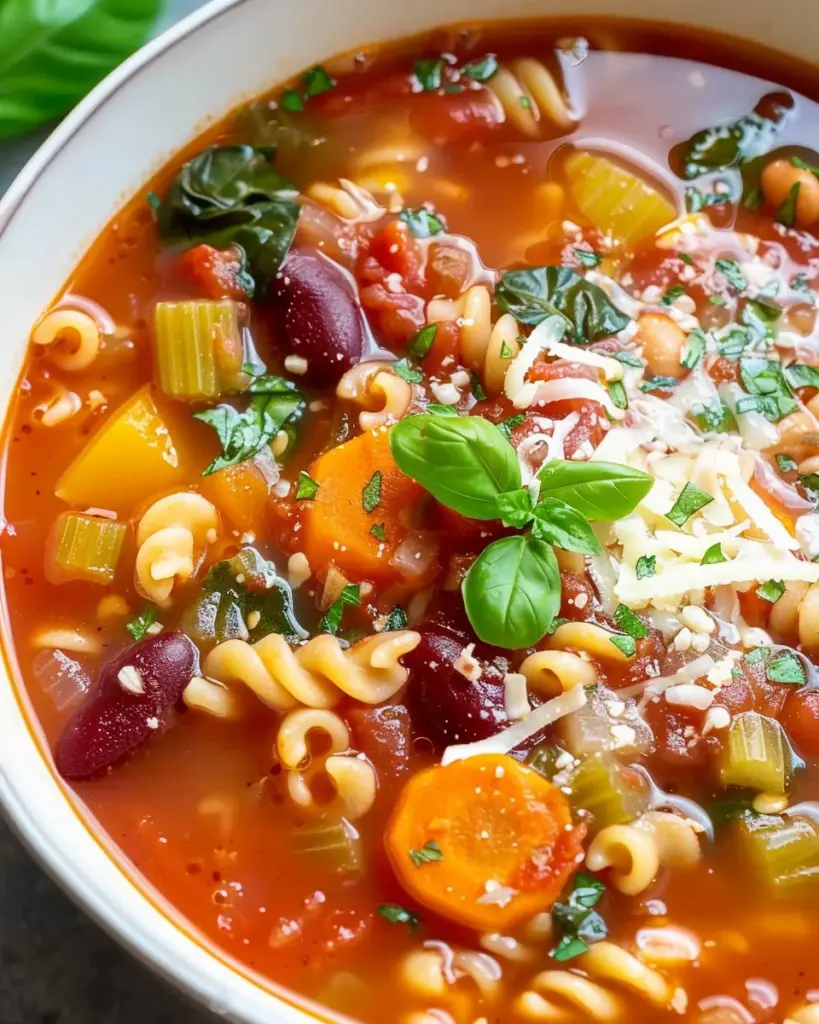
This easy minestrone soup recipe is the ultimate comfort food. Loaded with vibrant vegetables, two types of protein-rich beans, and perfectly cooked pasta, it all simmers together in a flavor-packed tomato broth. Whether you’re looking for a warming winter dish or a light yet hearty meal for spring, this soup is a go-to solution for home cooks who value simplicity, nourishment, and bold flavor.
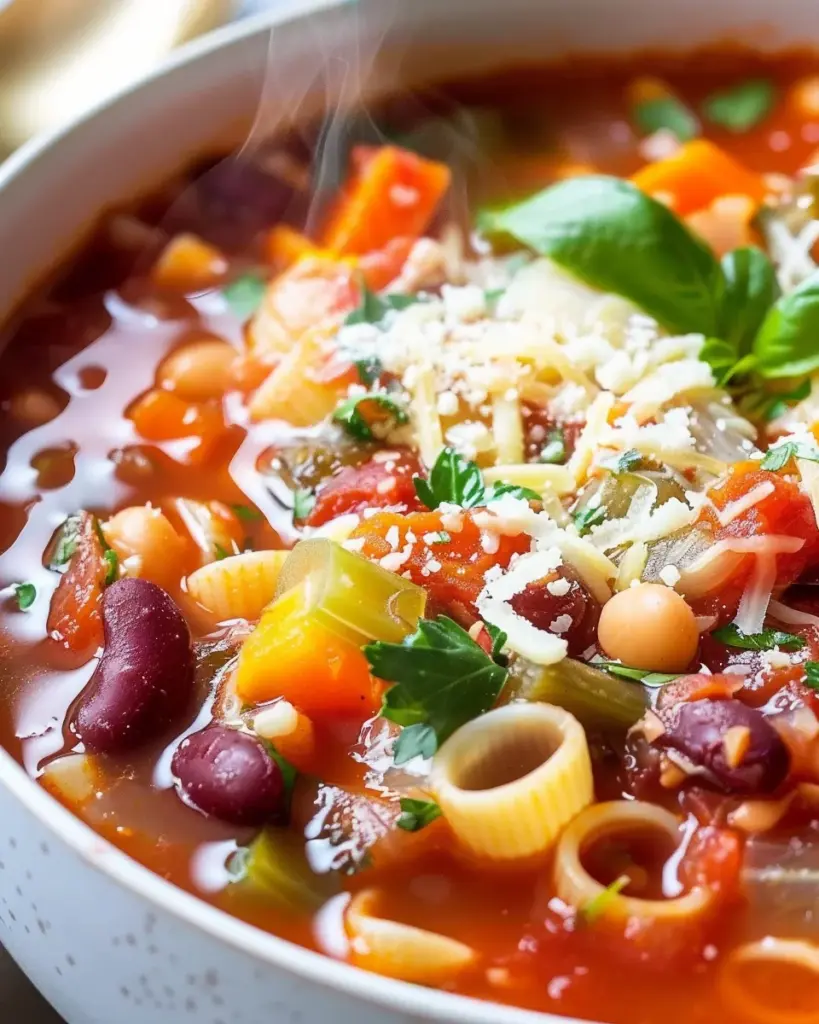
This Italian classic is endlessly versatile. You can easily make it vegetarian, vegan, or gluten-free. It uses basic pantry ingredients, and the results are consistently satisfying. Plus, it’s great for leftovers and freezer-friendly, making it ideal for busy families and meal preppers.
Why You’ll Love This Easy Minestrone Soup
- Packed with vegetables for a nutrient-dense meal
- Includes beans and pasta for fiber, protein, and heartiness
- Simple to prepare and ready in under an hour
- One-pot cleanup
- Perfect for leftovers and make-ahead lunches
- Easily customizable to suit seasons and dietary needs
Preparation Phase & Tools to Use
Essential Tools and Equipment
Before diving into the recipe, gather the following kitchen tools:
- Large soup pot or Dutch oven – To comfortably hold all ingredients and allow simmering without overflow.
- Sharp chef’s knife – For chopping vegetables quickly and efficiently.
- Cutting board – Preferably a large one with a non-slip base.
- Wooden spoon or silicone spatula – To sauté vegetables and stir without scratching cookware.
- Measuring cups and spoons – For accurate measurement of ingredients.
- Colander or fine mesh strainer – Useful for rinsing beans and draining pasta (if cooked separately).
- Ladle – For easy serving without splashing.
Importance of Each Tool
- The soup pot provides room for expansion, especially when pasta is added later.
- A sharp knife speeds up prep and ensures uniform vegetable size for even cooking.
- A wooden spoon won’t scratch non-stick surfaces and is durable under high heat.
- Measuring tools ensure consistency every time you make the recipe.
Preparation Tips for Best Results
- Mise en place: Prepare and measure out all ingredients before cooking. This prevents overcooking and helps streamline the process.
- Uniform chopping: Cut vegetables to similar sizes to ensure even cooking. Small cubes or slices work best.
- Layer flavors: Start by sautéing the onion, celery, and carrot in butter and oil for a flavor base.
- Season gradually: Taste as you go, especially once the broth, beans, and tomatoes are added. Adjust salt and pepper near the end.
Ingredients List
Here is everything you need to make this classic minestrone soup:
- 1 tablespoon olive oil
- 1 tablespoon butter
- 1 medium onion, chopped
- 2 sticks celery, chopped
- 3 medium carrots, peeled and sliced
- 3 cloves garlic, minced
- 1 (28-ounce) can crushed tomatoes
- 4 cups chicken broth or vegetable broth (for a vegetarian version)
- 1 small zucchini, chopped
- 1 cup chopped fresh green beans
- 1 (14-ounce) can red kidney beans, drained
- 1 (14-ounce) can white kidney (cannellini) beans, drained
- ½ teaspoon Italian seasoning
- ¾ cup uncooked elbow macaroni
- Salt and pepper to taste
- Fresh basil (optional, to taste)
- Freshly grated parmesan cheese, to taste
Ingredient Notes and Variations
- Pasta: Elbow macaroni is traditional, but ditalini or small shells also work.
- Beans: Feel free to substitute pinto, chickpeas, or black beans.
- Broth: Use low-sodium broth and adjust seasoning as needed.
- Herbs: Fresh thyme or oregano can be added for extra herbaceous depth.
Step-by-Step Directions
1. Sauté the Aromatics
In a large soup pot, heat the olive oil and butter over medium heat. Add the onion, celery, carrots, and garlic. Cook for 7 to 10 minutes, stirring occasionally, until vegetables begin to soften. This forms the aromatic base for the soup.
Tip: Avoid browning the vegetables; the goal is to soften and build sweetness, not to caramelize.
2. Add the Core Ingredients
Stir in the crushed tomatoes, broth, zucchini, green beans, kidney beans, white beans, and Italian seasoning. Increase the heat to high and bring the soup to a gentle boil.
Variation: Want a thicker texture? Add 1/4 cup of tomato paste or mash some beans before adding to the pot.
3. Simmer the Soup
Once boiling, reduce heat to medium-low. Cover the pot partially (lid slightly ajar) and let simmer for 10 minutes. This allows vegetables to begin cooking through while flavors meld.
4. Add Pasta and Cook Until Tender
Add the uncooked elbow macaroni to the pot. Stir and continue simmering with the lid off for another 15 to 20 minutes, or until both pasta and vegetables are tender. Stir occasionally to prevent sticking.
Tip: For firmer pasta in leftovers, cook it separately and add just before serving.
5. Season and Finish
Taste the soup and season with salt and pepper. Stir in fresh basil if using. Serve hot with freshly grated parmesan cheese on top.
Note: This soup thickens as it stands. Add extra broth or water when reheating.
Serving Suggestions
A bowl of easy minestrone soup is satisfying on its own, but with the right sides and toppings, it becomes an unforgettable meal. Here are the best ways to serve and elevate your soup:
- Top with freshly grated parmesan cheese for richness and depth.
- Add a drizzle of high-quality olive oil to enhance the flavor.
- Stir in a spoonful of basil pesto for a fresh, herby twist.
- Serve with warm crusty bread or toasted garlic bread to soak up the broth.
- Pair with a crisp green salad to add contrast and balance.
These simple additions can turn a humble bowl of soup into a full, comforting meal.
Side Dish Recommendations
Pair your minestrone soup with any of these sides to create a well-rounded, satisfying meal. Each side brings something unique to complement the soup’s hearty texture and bold flavor.
1. Garlic-Herb Focaccia
Soft and chewy with a crisp crust, focaccia is a traditional Italian bread that pairs perfectly with soup. Its garlic and rosemary flavors enhance the earthy vegetables and savory tomato broth.
- Tip: Make your own or purchase a fresh bakery version. Serve warm for best results.
2. Classic Caesar Salad
The tangy Caesar dressing and crunchy croutons offer a crisp contrast to the soft textures of the soup. The anchovy and parmesan in the dressing deepen the umami when paired with the broth.
- Add protein: Include grilled chicken or tofu for extra substance.
3. Roasted Garlic Breadsticks
Crispy on the outside and soft inside, breadsticks are perfect for dipping into your minestrone soup. Roasting the garlic adds a mellow sweetness that complements the tomato base.
- Make ahead: Store-bought dough can be shaped and baked fresh.
4. Grilled Vegetables with Balsamic Glaze
Charred zucchini, eggplant, and bell peppers tossed with balsamic glaze offer a sweet and smoky pairing. This side complements the vegetables already in the soup and adds a seasonal touch.
- Serve warm or room temperature.
5. Parmesan Bruschetta
Toasted bread topped with diced tomatoes, garlic, and shaved parmesan delivers brightness and crunch. It’s a classic Italian antipasto that enhances the soup’s fresh tomato flavor.
- Optional: Add a drizzle of olive oil or a sprinkle of chili flakes for heat.
6. Mixed Green Salad with Lemon Vinaigrette
A light and refreshing salad helps cut through the heartiness of the soup. Use mixed greens like arugula, spinach, and romaine, and dress with a simple lemon vinaigrette.
- Customize: Add olives, cucumbers, or radishes for extra texture.
7. Farro or Wheat Berry Salad
A grain salad adds substance without overpowering the soup. Farro or wheat berries bring a nutty flavor that works well with beans and vegetables.
- Add herbs: Fresh parsley or mint brightens the whole dish.
8. Steamed Green Beans with Lemon and Almonds
This side echoes the green beans already in the soup while providing a slightly different texture. The lemon and toasted almonds add freshness and crunch.
- Tip: Keep the beans slightly crisp for best contrast.
Common Mistakes to Avoid & How to Perfect the Recipe
Even a simple soup like minestrone can go wrong if not handled with care. Avoid these common mistakes to achieve the perfect pot every time.
1. Overcooking Vegetables
Soft, mushy vegetables make the soup less enjoyable. Chop vegetables evenly and simmer gently. Keep a close eye on texture, especially with tender items like zucchini or green beans.
- Fix: Add delicate vegetables later in the cooking process.
2. Adding Pasta Too Early
Pasta cooks quickly and absorbs broth. If added too early, it can become mushy and thicken the soup too much.
- Fix: Add pasta in the final 15–20 minutes or cook it separately and add when serving.
3. Using Weak or Bland Broth
The broth is the backbone of your soup. Using a weak or low-flavor stock will result in a flat-tasting dish.
- Fix: Choose a high-quality broth, preferably low-sodium so you can control salt levels. Homemade broth is even better.
4. Not Seasoning Properly
Because of the high volume of vegetables, beans, and broth, you need a good amount of seasoning to bring out the flavor.
- Fix: Taste often and season with salt and pepper at different stages. Add herbs and a splash of vinegar or lemon juice at the end to balance flavors.
5. Freezing Soup with Pasta
Pasta continues to absorb liquid and becomes mushy when frozen and reheated.
- Fix: Freeze the soup without pasta. When reheating, cook pasta separately and stir it in just before serving.
6. Skipping the Sauté Step
Don’t skip sautéing the aromatics. It builds the foundational flavor that makes the soup rich and delicious.
- Fix: Sauté the onion, celery, carrots, and garlic in olive oil and butter until soft and fragrant before adding liquids.
7. Forgetting to Stir the Pasta
If cooking pasta directly in the soup, stirring occasionally is crucial to prevent it from sticking to the bottom.
- Fix: Stir frequently and check pasta texture as you near the end of cooking.
8. Not Using Seasonal Ingredients
Minestrone is highly adaptable. Using out-of-season or flavorless produce can affect the soup’s taste and texture.
- Fix: Use fresh, seasonal vegetables whenever possible. In winter, swap in cabbage or kale; in summer, go for corn, squash, or peas.
Recipe Tips for Perfect Minestrone Soup
- Use seasonal vegetables for the best flavor and freshness. Spring and summer veggies like zucchini, peas, and green beans work beautifully, while winter versions can include kale, cabbage, or butternut squash.
- Choose high-quality canned tomatoes for a richer broth. Fire-roasted or San Marzano tomatoes add depth.
- Boost umami flavor with a parmesan rind during simmering. Remove before serving.
- Finish with acid or herbs – a splash of vinegar or squeeze of lemon brightens the entire pot. Fresh basil or parsley adds a fresh note.
- Cook pasta separately if making a large batch to freeze or store. This prevents soggy pasta in leftovers.
- Layer the seasoning: add salt, pepper, and Italian herbs gradually, then adjust again after simmering.
- Vegan-friendly: Skip the butter and cheese. Use plant-based alternatives or add nutritional yeast for a cheesy depth.
Storage Instructions
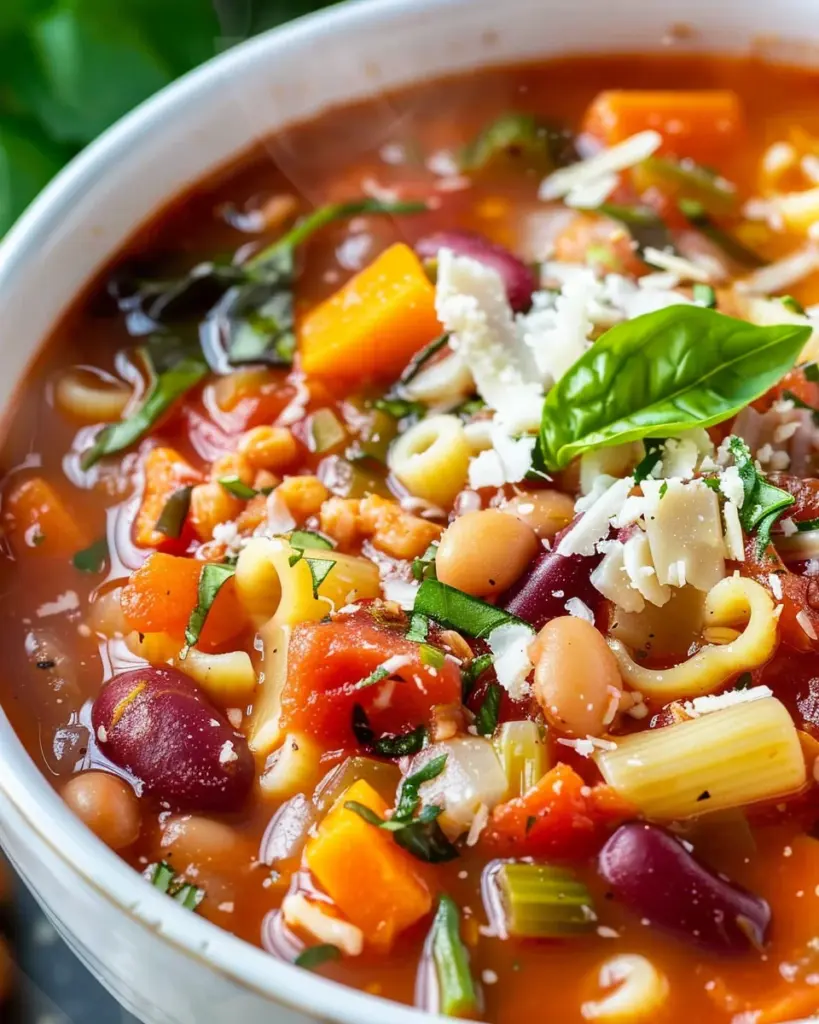
This easy minestrone soup stores very well and is ideal for meal prepping or making in advance.
Refrigeration
- Allow soup to cool to room temperature before transferring.
- Store in airtight containers for up to 4 days in the refrigerator.
- The pasta will absorb more broth over time, so expect a thicker consistency.
Tip: Add extra broth when reheating to loosen the texture.
Freezing
- If planning to freeze, omit the pasta or cook and store it separately.
- Transfer cooled soup (without pasta) to freezer-safe containers or heavy-duty freezer bags.
- Freeze for up to 3 months.
Best practice: Freeze in individual portions for easy thawing.
Reheating Instructions
On the Stove
- Reheat in a pot over medium heat, stirring occasionally.
- Add a splash of broth or water if soup has thickened too much.
- Adjust seasoning after reheating for freshness.
In the Microwave
- Place soup in a microwave-safe bowl with a loose-fitting lid or cover.
- Heat in 1–2 minute intervals, stirring in between until warmed through.
Optional: Add fresh herbs or cheese just before serving for brightness.
Frequently Asked Questions (FAQs)
Can I make this minestrone soup vegan?
Yes. Simply omit the butter and parmesan cheese. Use all olive oil for sautéing and top with nutritional yeast or a dairy-free cheese alternative.
What kind of pasta is best for minestrone soup?
Small shapes like elbow macaroni, ditalini, or small shells work best. They cook quickly and distribute evenly throughout the soup.
How do I make it gluten-free?
Use gluten-free pasta or skip the pasta altogether and add a gluten-free grain like quinoa or rice.
Can I add meat?
Yes. Brown Italian sausage, bacon, or chicken with the vegetables during the sauté step. Make sure the meat is fully cooked before adding broth and other ingredients.
How long does minestrone soup last in the fridge?
Properly stored in an airtight container, it lasts up to 4 days. Pasta may soften, so cook it separately if making ahead.
Can I freeze minestrone soup with pasta?
You can, but the pasta may become mushy when thawed. For best texture, freeze the soup base and add fresh pasta when reheating.
What vegetables can I swap in or out?
This soup is very flexible. You can replace any of the following:
- Zucchini → squash or eggplant
- Green beans → peas or chopped kale
- Carrots → sweet potatoes or parsnips
Why is my soup too thick?
Pasta absorbs liquid as it sits. Add extra broth when reheating or thin with water to your desired consistency.
Can I cook this in a slow cooker or Instant Pot?
Yes.
Instant Pot: Sauté aromatics, then pressure cook on high for 5–6 minutes. Add pasta after pressure release and simmer using sauté mode.
Slow Cooker: Sauté aromatics separately, then cook everything (except pasta) on low for 6–8 hours. Add cooked pasta at the end.
Do I have to use both kinds of beans?
No. You can use just one type or substitute with another variety like pinto beans, black beans, or chickpeas.