Russian Fish Soup Ukha
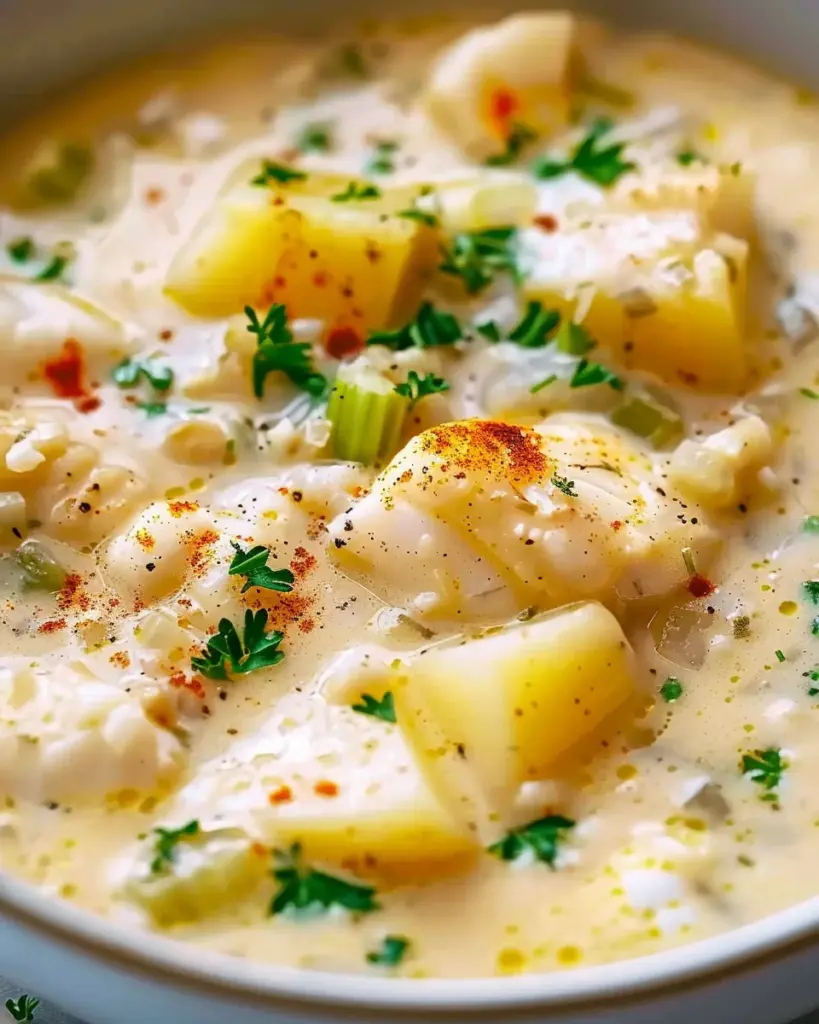
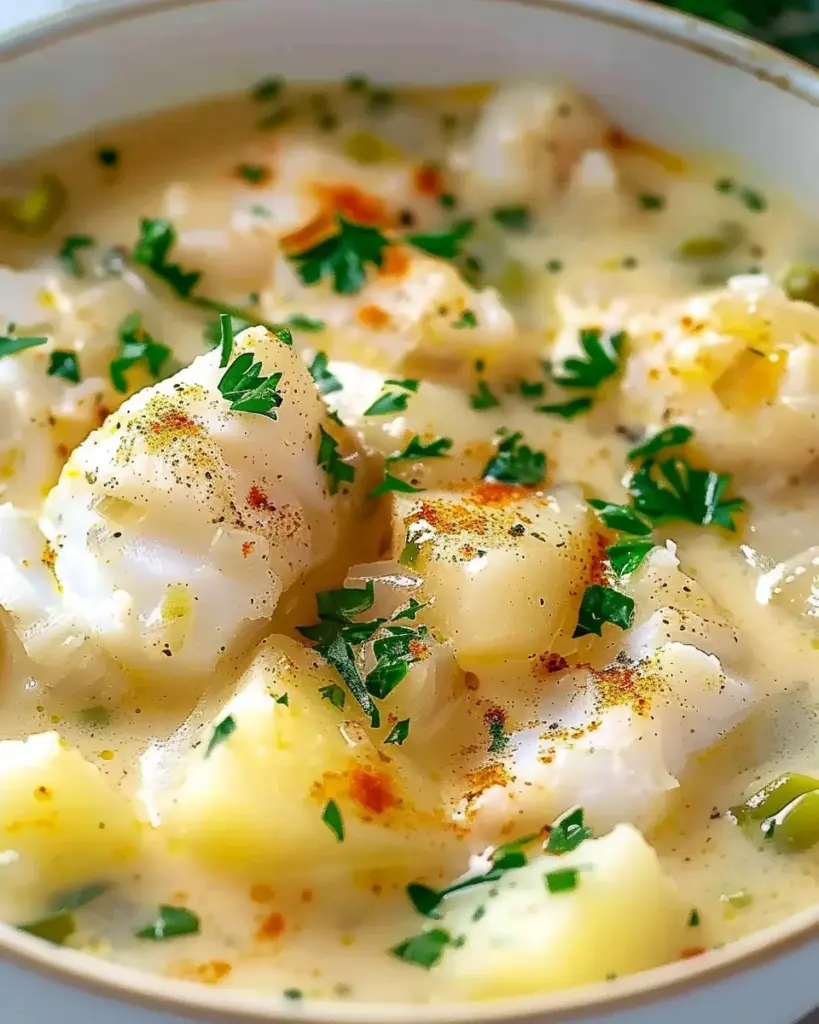
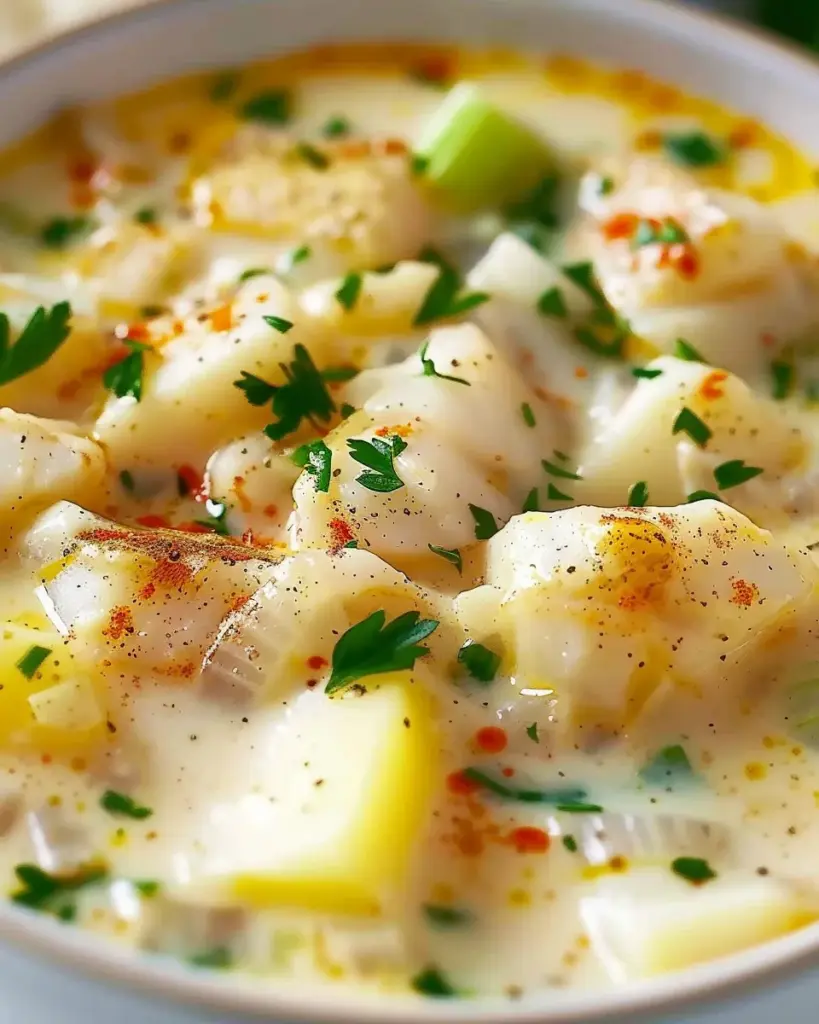
Ukha is a classic Russian clear fish soup known for its delicate yet rich flavors. Unlike creamy soups, this brothy dish highlights the natural taste of fresh fish, complemented by aromatic vegetables and herbs. Traditionally made by fishermen, Ukha is both rustic and elegant, making it perfect as a light lunch or a sophisticated starter for dinner.
Readers will love this recipe because it is:
- Simple and approachable, even for home cooks.
- Flexible, allowing you to use a variety of fish.
- Nutritious, packed with protein, vitamins, and minerals.
- Authentic, preserving a centuries-old Russian culinary tradition.
This guide will walk you through each step, from preparing the stock to serving the soup with delicious sides, ensuring your Ukha is flavorful, clear, and beautifully presented.
Preparation Phase & Tools to Use
Essential Tools and Equipment
- Heavy-bottom stock pot – ensures even simmering and prevents scorching.
- Immersion blender (optional) – blends part of the potato to thicken the soup while leaving chunks.
- Fine mesh sieve or cheesecloth – strains the broth for clarity.
- Sharp filleting knife – for removing bones from fish.
- Fish scaler – if using whole fish with scales.
- Ladle and large bowls – for removing fish and cooling.
- Wooden spoon and chopping board – for preparing vegetables and stirring.
Importance of Each Tool
- A heavy stock pot maintains a gentle simmer and prevents the fish stock from becoming cloudy.
- Strainers ensure the broth remains crystal clear.
- An immersion blender adds creamy texture without compromising the soup’s clarity.
- Sharp knives allow precise cutting of fish and vegetables.
Preparation Tips
- Use fresh fish for the best flavor and clear broth.
- Scale and gut fish before starting.
- Prep all vegetables before boiling the water.
- Keep herbs fresh to maximize aroma.
- Organize your workspace for smooth cooking.
Ingredients: What You’ll Need
Fish & Seafood
- 1 whole seabream, gutted and scaled
- 1 salmon or trout filet
Vegetables
- 4 large potatoes, peeled and roughly chopped (leave one whole)
- 1 large yellow onion (half diced, half whole)
- 4 medium carrots (half chopped, half whole)
- 4 ribs celery (2 chopped, 2 whole, including leaves)
- 1 bunch fresh parsley, divided
- 2 stalks fresh lovage, optional, whole with leaves
Other Ingredients
- 4 tablespoons olive oil
- Salt and pepper to taste
- 1 bay leaf
Notes on substitutions:
- Use smoked fish for a smoky flavor.
- Add additional vegetables such as cabbage, green beans, or peas.
- Herbs like dill, fenugreek, oregano, or thyme can enhance flavor.
- If no lovage is available, use Vegeta or a similar seasoning carefully.
Step-by-Step Directions
Making the Fish Stock
- Bring 4 liters of water to a boil in a heavy-bottom stock pot.
- Prepare vegetables: whole half onion, two whole carrots, half the parsley, whole lovage, two whole celery ribs, and bay leaf.
- Add vegetables to boiling water and reduce heat to the lowest setting. Cover and simmer for 45 minutes.
- Add the whole fish and continue simmering on low for another 20 minutes, covered.
- Remove fish and set aside to cool. Shred meat, discarding bones and skin.
- Strain the stock through a fine mesh sieve and set aside.
Tips: Remove any scum during simmering for a clear broth. Compost or feed spent vegetables to animals.
Making the Simple Fish & Vegetable Soup
- In the same pot, sauté remaining diced onion and chopped carrots in olive oil until soft and lightly browned.
- Add diced potatoes, whole potato, and half of the remaining parsley.
- Pour in the reserved fish stock and simmer on low, covered, for 25–30 minutes, until potatoes are tender.
- Optional: Remove the whole potato and blend with some broth until smooth. Stir back into soup to thicken.
- Simmer until vegetables are fully soft.
- Season with salt and pepper to taste.
- Turn off heat. Add shredded fish, half a lemon (quartered), and remaining olive oil. Let sit for 5 minutes.
- Garnish generously with remaining parsley.
Serving suggestion: Serve hot with crusty sourdough bread, buttered or with sour cream.
Why This Recipe Works
- Using whole fish creates a rich, mineral-filled broth.
- Gentle simmering preserves clarity and delicate flavors.
- Sautéing vegetables builds depth without overpowering the fish.
- Blending part of the potato adds creamy texture while retaining chunks.
- Finishing with fresh herbs and lemon brightens and balances the soup.
This combination of simple ingredients, careful technique, and finishing touches makes Ukha a standout Russian soup that is flavorful, wholesome, and authentic.
Serving Suggestions
Ukha is traditionally served hot, allowing the clear fish broth and fresh herbs to shine. Proper serving enhances both presentation and flavor.
How to Serve Ukha:
- Serve in deep bowls to maintain heat.
- Garnish with fresh parsley and dill.
- Add a wedge of lemon at the side for brightness.
- Drizzle a small amount of olive oil on top for added richness.
Presentation Tips:
- Use rustic bowls or cast-iron pots for an authentic appearance.
- Arrange crusty bread alongside the soup for dipping.
- For a dinner party, serve as a starter in smaller portions, reserving the main course for later.
Beverage Pairings:
- A crisp white wine complements the delicate fish flavors.
- Light beers work well with the broth’s subtle taste.
- Herbal teas or sparkling water can also accompany the soup for a non-alcoholic option.
Side Dish Recommendations
Pairing Ukha with complementary sides rounds out the meal. Below are eight recommended side dishes.
1. Butter-Crusted Rye or Sourdough Bread
- Soaks up the broth and adds texture.
- Tip: Warm the bread and spread with butter or sour cream.
2. Pickled Vegetables
- Options: cucumbers, carrots, or sauerkraut.
- Provides tanginess to balance the mild fish broth.
- Tip: Quick-pickle fresh vegetables if store-bought options are unavailable.
3. Oven-Roasted New Potatoes with Dill
- Echoes the potatoes in the soup while adding crunch.
- Tip: Toss baby potatoes with olive oil and fresh dill, then roast until golden.
4. Light Green Salad with Lemon-Herb Vinaigrette
- Offers a fresh contrast to the warm soup.
- Tip: Use mixed greens, parsley, dill, olive oil, lemon juice, and salt.
5. Steamed Green Beans or Peas with Butter
- Simple and complements the soup without overpowering it.
- Tip: Steam vegetables 3–4 minutes and toss with butter and parsley.
6. Smoked Fish Pâté on Rye Crisps
- Enhances the fish theme with a rich, smoky starter.
- Tip: Blend smoked fish with cream cheese, lemon juice, and dill. Serve on thin rye crisps.
7. Garlic-Butter Toast or Croutons
- Adds texture for dipping into the broth.
- Tip: Cube bread, toss with garlic butter and parsley, bake until crisp.
8. Light Dessert: Russian Honey Cake or Apple Sharlotka
- Provides a traditional finish to the meal.
- Tip: Serve in small slices to avoid overpowering the soup’s flavors.
Summary: These sides either echo the flavors in Ukha (herbs, potatoes, fish) or provide contrasting textures and tastes (tang, crispness, freshness).
Common Mistakes To Avoid & How to Perfect the Recipe
Mastering Ukha requires attention to detail. Avoid these pitfalls:
- Using old or stale fish
- Cloudy broth or off flavors result from fish that is not fresh.
- Solution: Use fresh or properly thawed fish and avoid strong-flavored saltwater fish.
- Overcooking fish fillets
- Leads to mushy, unappealing texture.
- Solution: Add fillets toward the end of cooking to maintain integrity.
- Skipping the straining step
- Produces cloudy broth.
- Solution: Strain through a fine sieve or cheesecloth and remove scum during simmering.
- Using too many strong vegetables or spices
- Overpowers delicate fish flavor.
- Solution: Stick to simple vegetables like potato, carrot, celery, and onion; herbs like parsley and dill.
- Incorrect seasoning timing
- Soup can be bland or over-salted.
- Solution: Taste before final seasoning; add salt gradually; finish with lemon and olive oil.
- Serving cold or letting soup sit too long
- Fish becomes mushy and flavors fade.
- Solution: Serve hot, immediately after final rest, and prepare sides in advance.
Additional Tips for Perfection:
- Use whole fish or fish heads for richer flavor.
- Keep broth at a gentle simmer to preserve clarity.
- Blend part of the potato for creaminess but leave chunks for texture.
- Garnish generously with fresh herbs.
Recipe Tips, Storage, and Reheating Instructions
Recipe Tips
- Using Different Fish: Whole fish including head and bones produces a rich, flavorful broth. Fillets can be used, but add bones for depth.
- Mixing Fish Types: Combine white fish and fattier fish (like salmon or trout) for balanced flavor.
- Clarity of Broth: Avoid strong-flavored fish. Simmer gently and skim frequently to remove foam or scum.
- Thickening Options: Blend part of the potato for a thicker texture, or mash the whole potato with a wooden spoon while leaving chunks for texture.
- Herb Variations: Dill, fenugreek, oregano, thyme, or parsley can enhance flavor. If using Vegeta instead of lovage, adjust salt carefully.
- Smoked Fish Variation: Adds a smoky flavor. Reduce salt to balance intensity.
Storage Instructions
- Store the soup in a covered container in the refrigerator for up to 4 days; best consumed within 24 hours for optimal flavor.
- Remove whole potato before storage if you used one, as texture may degrade over time.
Reheating Instructions
- Reheat gently on low heat to maintain clarity and prevent overcooking the fish.
- If the soup thickened during storage, add a splash of stock or water to restore consistency.
- Re-garnish with fresh herbs and a squeeze of lemon before serving.
Freezing Instructions
- Remove fish fillets before freezing, as they may break down.
- Freeze broth and vegetables separately.
- Thaw overnight in the refrigerator and reheat slowly on low heat.
FAQs
Q: What fish can I use to make ukha?
A: Traditional Russian Ukha uses freshwater fish such as bream, northern pike, perch, or ruffe. Salmon, trout, or cod fillets can also be used for a milder flavor.
Q: Can I use fish fillets instead of a whole fish?
A: Yes. Whole fish provides a richer flavor and clearer broth, but fillets work if you omit the bones.
Q: Why is my broth cloudy?
A: Causes include high heat, old fish, or skipping the straining step. Use gentle simmer and strain through cheesecloth or fine mesh.
Q: Can I add other vegetables or make it creamy?
A: Yes, but traditional Ukha emphasizes a clear, simple broth. Creamy or vegetable-heavy variations change the classic flavor.
Q: Is Ukha healthy?
A: Yes. It is light, rich in protein, low in fat, and includes vegetables and fresh herbs. Fish heads may provide additional minerals.
Q: Can I prepare this ahead of time?
A: Yes, prepare the stock a day in advance and finish the soup before serving. Fresh herbs added at the end keep the flavor vibrant.
Q: How do I adjust for larger or smaller servings?
A: Scale ingredients proportionally. Keep the fish-to-vegetable ratio consistent. Maintain gentle simmer times when increasing quantity.
Q: Can I make a vegetarian version?
A: Yes. Use vegetable broth and omit fish. Add smoked mushrooms for a savory flavor, although this is not traditional Ukha.
Q: How is Ukha traditionally served?
A: Historically cooked outdoors over wood in a clay pot, served hot with herbs and lemon. Some regions add a shot of vodka to enhance broth clarity.