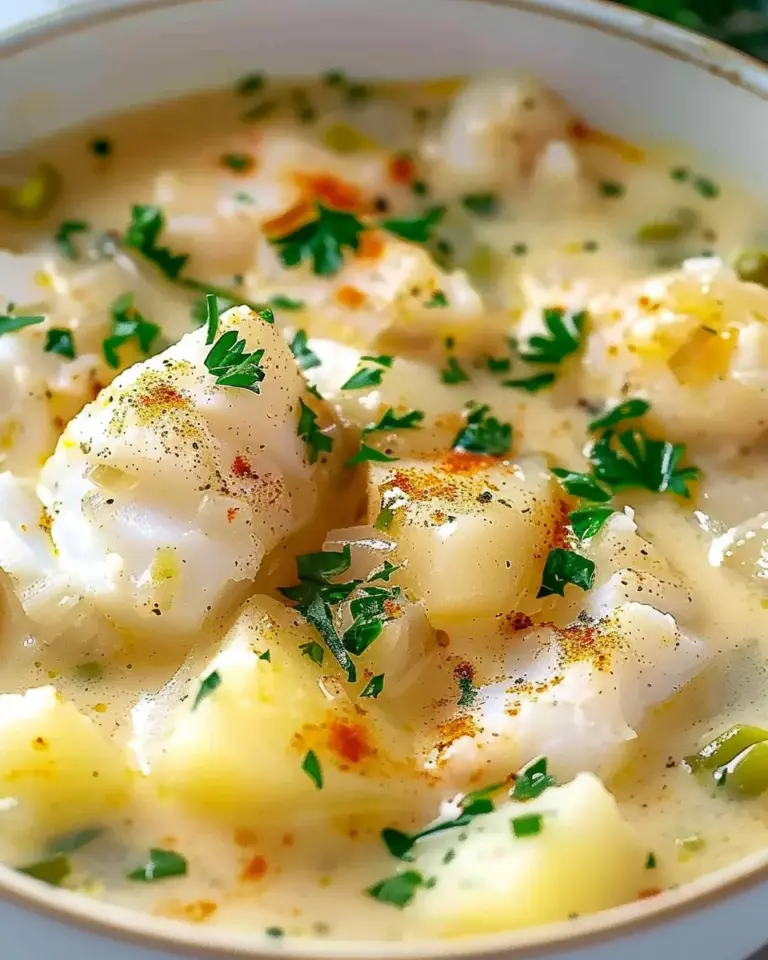
Delicious Fish Chowder Soup Recipe
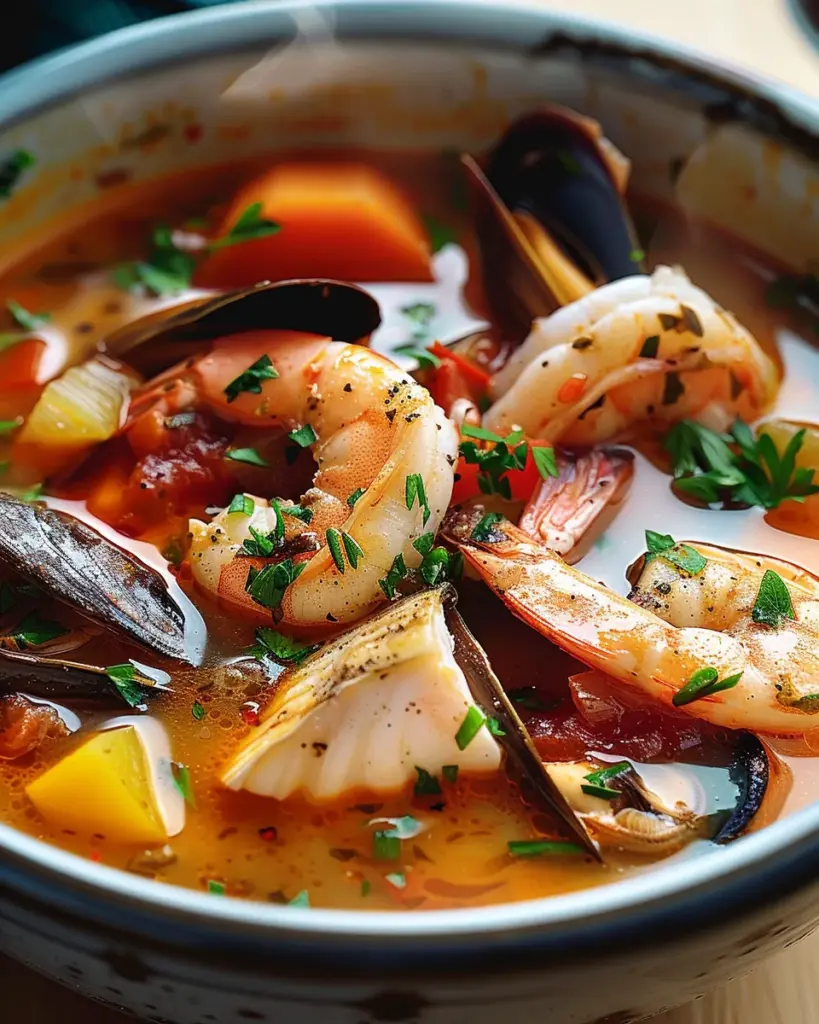
There’s nothing quite like a bowl of creamy fish chowder to warm your soul and satisfy your cravings. Fish Chowder Soup blends tender, flaky fish with a luxuriously smooth, savory broth, rich with the flavors of garlic, onion, carrots, corn, and potatoes. Finished with a splash of milk and optional white wine, this dish is a hearty, satisfying meal ideal for chilly evenings or cozy family dinners.
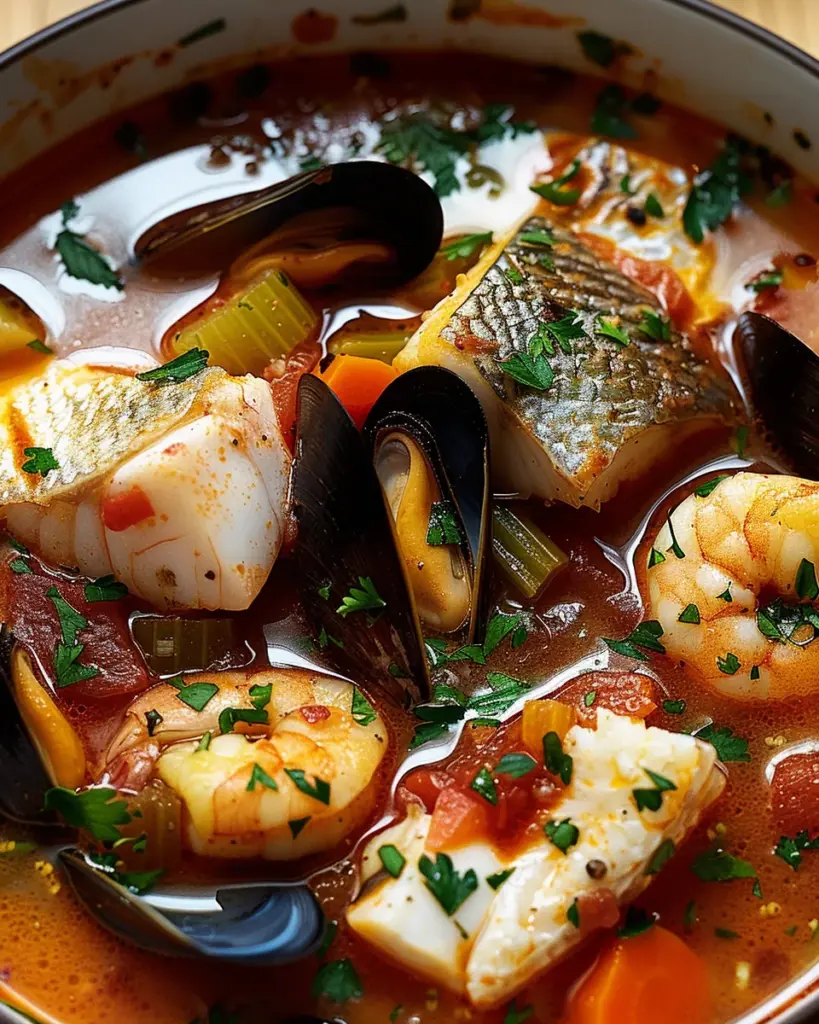
What makes this fish chowder soup truly stand out is its versatility and depth of flavor. Whether you’re craving a classic comfort dish or looking for a pescatarian alternative to heavier stews, this chowder fits the bill. It’s also easily adaptable—swap in shrimp or scallops, or use dairy-free milk alternatives without compromising the taste.
Why you’ll love this recipe:
- Quick and easy – ready in under 40 minutes
- One-pot meal for minimal cleanup
- Full of bold flavors and creamy texture
- Adaptable to different dietary preferences
- Perfect for batch cooking and storing
Let’s dive into how to prepare Fish Chowder Soup step by step.
Preparation Phase & Tools to Use
Essential Tools and Equipment
To prepare this creamy fish chowder soup effectively, gather the following tools:
- Large heavy-bottomed pot – Prevents scorching and allows even heat distribution.
- Chef’s knife – For dicing vegetables and cutting fish fillets.
- Cutting board – Use separate boards for fish and vegetables to avoid cross-contamination.
- Measuring cups and spoons – Ensures precise ingredient ratios for best results.
- Wooden spoon or silicone spatula – Great for stirring without scratching your pot.
- Ladle – For easy and clean serving of soup.
Why tool selection matters:
Using the right pot ensures a consistent simmer, which is critical for creamy soups. A sharp knife gives cleaner cuts, reducing bruising on vegetables and fish.
Preparation Tips
Before you begin cooking:
- Mise en place: Prep all vegetables and ingredients ahead of time to streamline the cooking process.
- Use uniform cuts: Dice carrots and potatoes evenly to ensure they cook at the same rate.
- Dry the fish: Pat the fish dry before cutting; it helps it sear slightly and retain texture.
- Pre-measure liquids: This saves time when adding during the sauté and simmer stages.
- Optional substitutions: Use non-dairy milk like almond or oat for a dairy-free version; swap fish with shrimp for variation.
Ingredients
Here is the complete list of ingredients for Fish Chowder Soup :
- 40g (3 tablespoons) unsalted butter
- 2 garlic cloves, minced
- 1 small onion, finely chopped
- 2 small carrots, halved and sliced into 0.5 cm (1/5 inch) pieces
- 1/2 cup (125 ml) dry white wine (optional)
- 1/4 cup (35g) all-purpose flour
- 3 cups (750 ml) milk (any fat percentage or plant-based alternative)
- 2 cups (500 ml) fish stock, clam juice, or low-sodium chicken stock
- 2 cups potatoes, cut into 1.5 cm (0.5 inch) cubes (approximately 1 large potato)
- 1 cup corn (frozen or canned, drained)
- 1/2 teaspoon salt, plus more to taste
- Freshly ground black pepper, to taste
- 600g (1.2 lb) skinless white fish fillets, cut into 2 cm (4/5 inch) pieces
- 1 cup frozen peas
Ingredient tips:
- Choose firm white fish like cod, haddock, or pollock to prevent flaking during cooking.
- Fresh or frozen vegetables can be used—just ensure frozen peas and corn are thawed or rinsed.
- For richer flavor, use full-fat milk or even a splash of cream.
Step-by-Step Directions
1. Melt the Butter
Place a large pot over medium heat. Add the butter and allow it to melt fully.
2. Sauté Aromatics
Add minced garlic and chopped onion. Stir occasionally and cook for 5 minutes until translucent but not browned.
3. Add Carrots
Stir in the sliced carrots. Cook for 2–3 minutes until they start to soften.
4. Deglaze with Wine (Optional)
Raise heat to high. Pour in the white wine. Stir and simmer rapidly for 2–3 minutes until the wine is almost evaporated.
Tip: Skip the wine if avoiding alcohol. Substitute with equal parts stock.
5. Add Flour to Create Roux
Sprinkle the flour evenly over the vegetable mixture. Stir constantly for 30 seconds until the flour absorbs the butter and forms a thick paste.
6. Incorporate Liquids
Slowly pour in the fish stock (or alternative), stirring constantly to avoid lumps. Add the milk and continue to stir until fully combined.
Note: Do not let the mixture boil once milk is added; simmer gently to prevent curdling.
7. Add Potatoes, Corn, Salt, and Pepper
Add cubed potatoes, corn, salt, and pepper. Stir well to combine. Bring to a gentle simmer over medium heat.
8. Simmer the Base
Reduce heat slightly to maintain a low simmer. Cook for about 8 minutes, stirring occasionally, until the potatoes are nearly tender.
9. Add Fish and Peas
Gently fold in the fish pieces and frozen peas. Simmer for 3 minutes or until the fish is opaque and flakes easily with a fork.
Tip: Avoid stirring too aggressively after adding the fish to keep it intact.
10. Final Seasoning
Taste and adjust with additional salt or pepper if needed. Add more milk or water if the chowder is too thick.
11. Serve Hot
Ladle the chowder into bowls. Garnish with finely chopped green onions or parsley. Serve with crusty bread or garlic toast.
Notes and Variations
- Wine Integration: Enhances flavor depth, but not essential.
- Seafood Variations: Swap fish for shrimp, scallops, or even smoked salmon.
- Dairy-Free Option: Use almond milk or coconut milk with a cornstarch slurry to thicken.
- Vegetable Additions: Include diced bell peppers, kale, or spinach for added nutrition.
Serving Suggestions
Fish Chowder Soup is rich, creamy, and full of savory depth, making it ideal for a standalone meal or part of a satisfying course. However, how you serve this dish can elevate it from a weeknight comfort food to a dinner party favorite.
Here are several ways to serve this delicious fish chowder soup:
- Serve hot and fresh: Always serve immediately after cooking while it’s hot, garnished with finely chopped green onions or fresh parsley.
- In deep bowls: Use wide, shallow soup bowls that retain heat well and offer room for generous portions.
- With crusty bread: Sour-dough, garlic toast, or a freshly baked baguette complements the creamy texture and allows for dipping.
- Garnish creatively: Add a drizzle of olive oil, sprinkle of smoked paprika, or a few crushed red pepper flakes for a pop of flavor and visual appeal.
- Pair with light sides: A crisp salad or roasted vegetables offer balance to the richness of the chowder.
Whether for a casual lunch or a cozy family dinner, this creamy fish chowder pairs beautifully with simple accompaniments that highlight its delicate flavors.
Common Mistakes To Avoid & How to Perfect the Recipe
Avoiding common errors will ensure your fish chowder soup turns out perfectly every time. Here’s what to watch for and how to correct or prevent these issues.
Overcooking the Fish
- Issue: Fish becomes tough, rubbery, or breaks apart completely.
- Fix: Add fish toward the end and simmer gently for only 3 minutes until it flakes easily.
Curdling the Milk
- Issue: Boiling dairy causes separation or a grainy texture.
- Fix: Once milk is added, reduce heat and do not allow the chowder to boil. Keep it at a gentle simmer.
Inconsistent Texture
- Issue: Chowder is either too watery or overly thick.
- Fix: For thin chowder, simmer longer uncovered or add a cornstarch slurry. For overly thick chowder, stir in a bit more milk or stock.
Lack of Flavor
- Issue: Chowder tastes bland.
- Fix: Use flavorful stock (fish, clam juice, or low-sodium chicken), season at every step, and finish with salt and pepper after tasting.
Uneven Vegetable Doneness
- Issue: Some vegetables are undercooked while others are too soft.
- Fix: Cut vegetables into uniform sizes and add in the correct order—start with harder ones like carrots and potatoes.
Using the Wrong Fish
- Issue: Fish disintegrates in the soup.
- Fix: Use firm, white-fleshed fish like cod, haddock, or halibut. Avoid delicate fish like tilapia.
Skipping the Roux
- Issue: Chowder lacks body or has a separated texture.
- Fix: Creating a roux with butter and flour adds creaminess and stabilizes the liquid.
By avoiding these pitfalls and following best practices, your fish chowder soup will be smooth, flavorful, and perfectly balanced.
Side Dish Recommendations
Pairing Fish Chowder Soup with the right sides can complete the meal and enhance the experience. Below are eight complementary side dishes, each carefully selected to pair with the creamy richness of chowder.
Crusty Garlic Bread
- Why it works: The crunchy texture contrasts with the smooth chowder.
- How to prepare: Toast thick slices of sourdough with garlic butter and bake until golden.
Mixed Green Salad with Vinaigrette
- Why it works: A tangy, fresh salad cuts through the richness.
- Ingredients: Arugula, baby spinach, radish, cucumber, cherry tomatoes.
- Dressing: Lemon vinaigrette or balsamic.
Roasted Brussels Sprouts with Bacon
- Why it works: Adds savory depth and a crispy texture.
- Tip: Roast at high heat to caramelize the edges.
Steamed Asparagus with Lemon
- Why it works: Light, zesty, and seasonal.
- Tip: Drizzle with olive oil and finish with lemon zest.
Polenta Cakes
- Why it works: Offers a soft yet structured base to absorb the chowder.
- Preparation: Pan-fry or bake small rounds until crispy on the outside.
Warm Tomato Bruschetta
- Why it works: Adds brightness and acidity to complement the creamy soup.
- Ingredients: Diced tomatoes, garlic, basil on toasted baguette slices.
Creamy Coleslaw
- Why it works: Balances texture and adds crunch.
- Tip: Use a vinegar-based slaw for less heaviness.
Roasted Root Vegetables
- Why it works: Earthy and filling; great seasonal option.
- Best choices: Carrots, parsnips, sweet potatoes, and beets.
Each of these sides offers a different flavor and texture profile, helping to create a well-rounded, satisfying meal when served with your creamy fish chowder.
Expert Tips for the Perfect Fish Chowder
- Use firm white fish: Cod, haddock, or halibut hold their shape best during simmering.
- Cut ingredients uniformly: Even pieces ensure even cooking and a balanced texture.
- Do not boil after adding dairy: Always simmer gently to maintain a smooth, creamy texture.
- Add fish last: This prevents overcooking and ensures the fish remains tender and flaky.
- Taste as you go: Adjust salt, pepper, and other seasoning after the chowder has simmered and thickened.
Storage Guidelines
- Refrigeration: Store leftover chowder in an airtight container for up to 3 days in the fridge.
- Freezing: Not recommended due to the dairy content. Milk or cream-based chowders may separate or become grainy after thawing.
- Label and date: If storing for later, mark the date to ensure freshness and safety.
Reheating Instructions
- Stovetop method: Reheat gently over low heat, stirring occasionally. Avoid boiling.
- Microwave method: Use a microwave-safe bowl. Cover loosely and heat in 30-second intervals, stirring in between.
- Tip: If the chowder has thickened too much after storage, add a splash of milk or water while reheating to adjust consistency.
FAQs
Can I use other types of fish?
Yes. You can substitute white fish fillets like cod, haddock, halibut, or pollock. Avoid delicate fish such as tilapia or sole, as they tend to disintegrate easily during simmering.
Is white wine necessary for the recipe?
No. White wine adds depth and acidity, but it is optional. You can substitute it with additional fish stock or clam juice if preferred.
Can I make this chowder dairy-free?
Yes. Replace the milk with a plant-based milk like almond, oat, or coconut. You may need to adjust the thickness using a cornstarch slurry for the best texture.
How can I adjust the thickness of the chowder?
To thicken, simmer longer uncovered or stir in a cornstarch or flour slurry. To thin it, add more stock or milk until you reach the desired consistency.
What should I serve with this chowder?
Popular pairings include crusty garlic bread, mixed green salads, roasted vegetables, and simple polenta cakes. These sides complement the chowder’s creamy texture and balance its richness.
Can I freeze fish chowder?
It’s not recommended. Dairy-based chowders often separate when frozen and reheated, which can affect both texture and taste. If needed, freeze before adding milk and finish the chowder fresh when reheating.
What type of stock is best?
Fish stock or clam juice offers the most authentic flavor. However, low-sodium chicken stock is a suitable alternative if seafood stock is unavailable.
Can I add other seafood?
Absolutely. Shrimp, scallops, or even mussels can be added for a seafood variation. Add them during the last few minutes of simmering to prevent overcooking.
What vegetables work well in this recipe?
Alongside potatoes, carrots, corn, and peas, you can add spinach, kale, diced bell peppers, or even leeks. Choose vegetables that retain their texture during cooking.
Can I use canned fish?
While not ideal, canned salmon or tuna can work in a pinch. Be sure to drain them well and stir them in gently at the end.