The Best Creamy Seafood Chowder
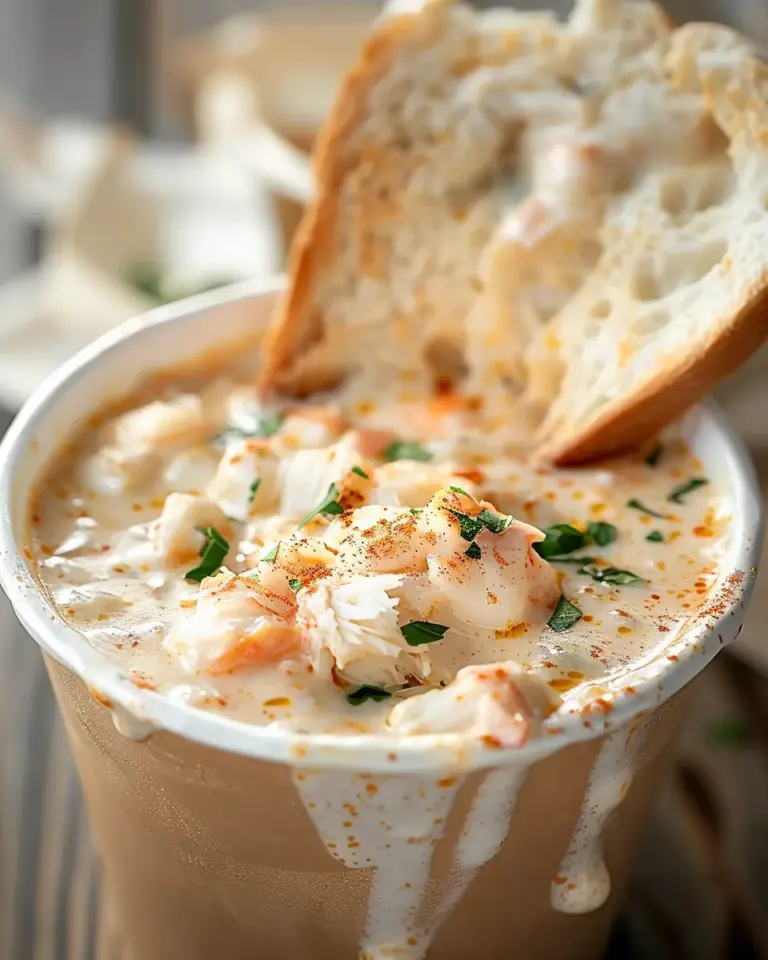
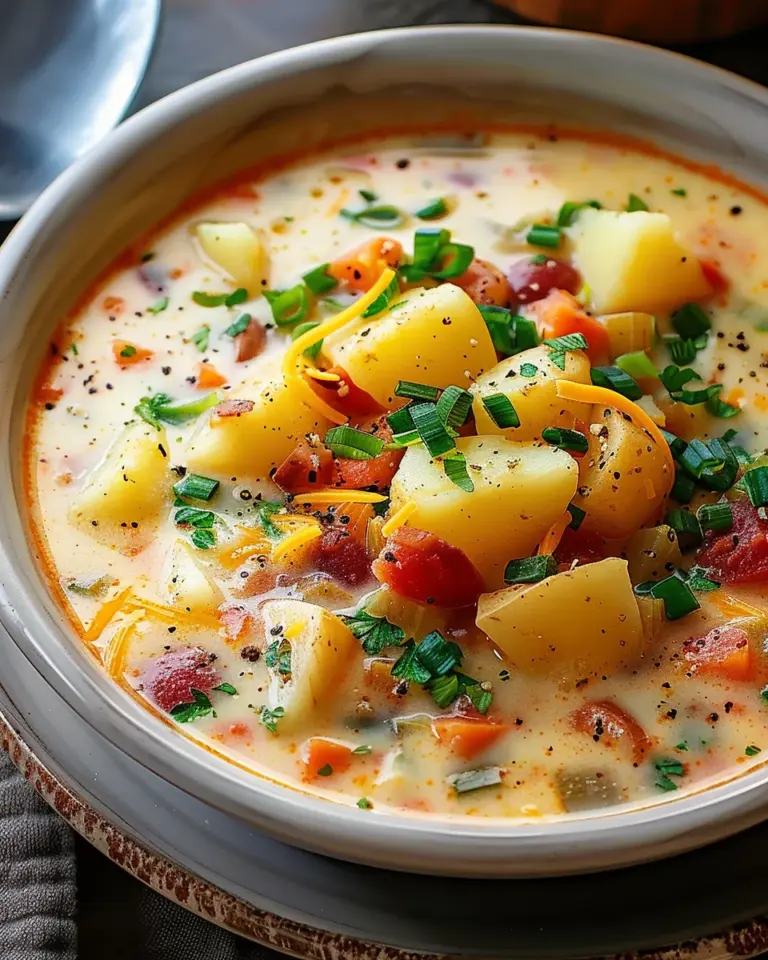
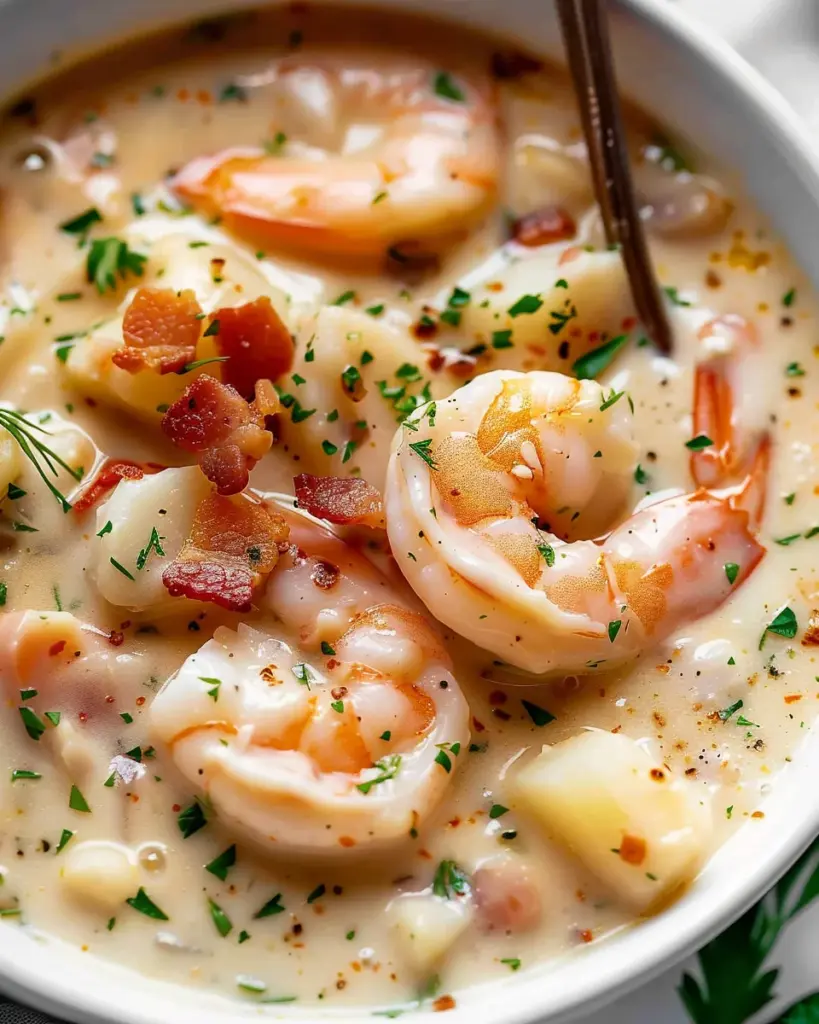
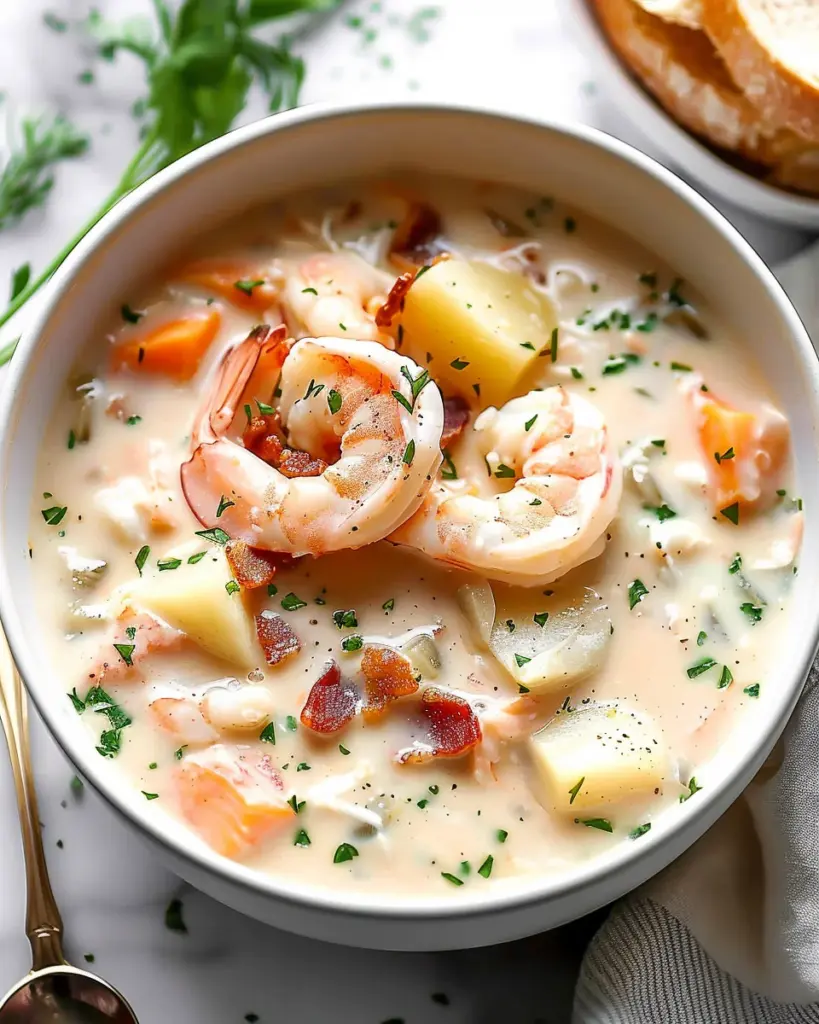
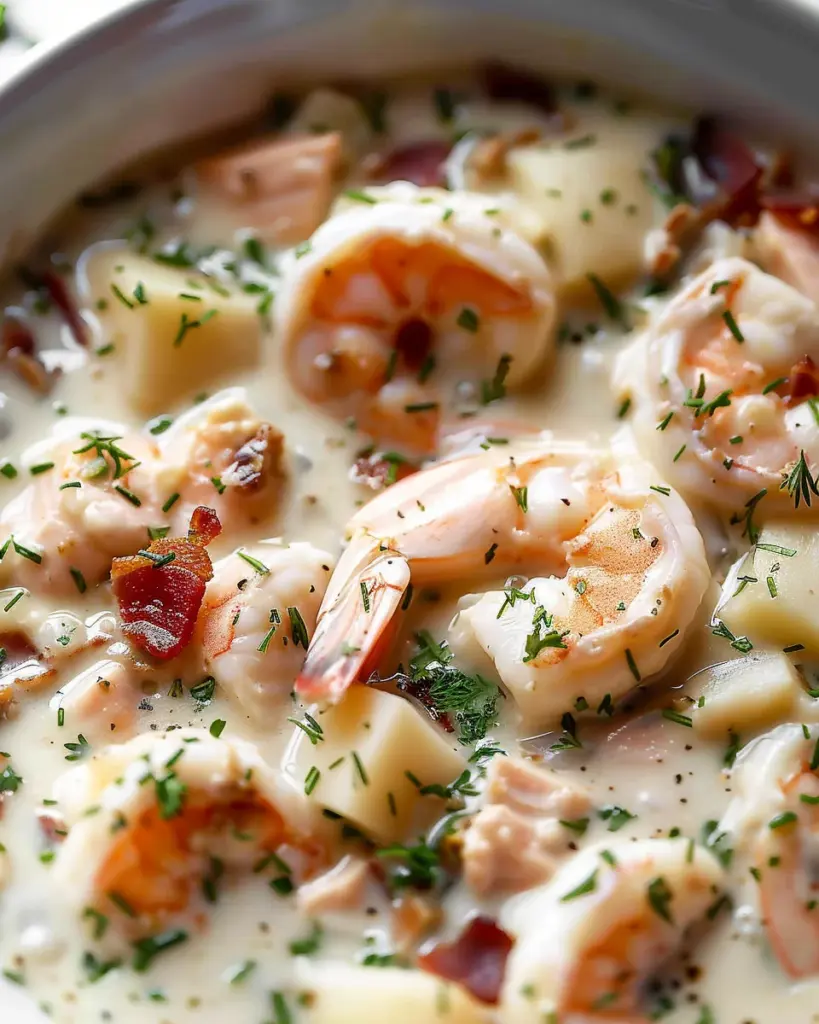
There’s something undeniably comforting about a bowl of creamy seafood chowder. This rich, velvety dish brings together tender chunks of shrimp, salmon, and white fish, balanced by hearty potatoes and a subtle smokiness from crispy bacon or pancetta. Whether you’re hosting a dinner party or cozying up on a chilly evening, this chowder delivers warmth, indulgence, and elegance—all in one pot.
What makes this seafood chowder especially irresistible? It’s:
- A one-pot meal that’s easy to prepare yet deeply flavorful
- Packed with fresh or frozen seafood to suit your pantry
- Infused with creamy richness and layered aromatics
- Adaptable with herb substitutions and dairy alternatives
If you’re searching for a dish that feels like a hug in a bowl, you’ve found it. Let’s dive into the prep process and bring this comforting classic to your table.
Preparation Phase & Tools to Use
Essential Tools and Equipment
To make the best creamy seafood chowder, you’ll need:
- Large heavy-bottomed pot or Dutch oven – For even heat distribution and preventing scorching.
- Slotted spoon – Perfect for lifting bacon or pancetta without bringing excess fat.
- Sharp chef’s knife and cutting board – For prepping vegetables and seafood efficiently.
- Wooden spoon or heat-safe spatula – For stirring the base and preventing burning.
- Whisk – Essential for blending flour into broth smoothly.
- Measuring cups and spoons – Precision matters, especially with liquids and seasoning.
- Ladle – For serving generous, even portions.
Importance of Each Tool
Each tool supports your chowder-making process:
- The Dutch oven retains heat and handles thick, creamy bases well.
- A whisk ensures a lump-free chowder when combining the flour and broth.
- A slotted spoon allows you to render and remove bacon cleanly, preserving the flavorful fat.
- Measuring tools keep flavor balanced, especially when using broth, wine, and cream.
Preparation Tips
- Thaw seafood completely if using frozen varieties.
- Prep all ingredients before you start—this mise en place keeps the cooking process smooth.
- Uniformly dice vegetables for even cooking and a pleasing texture.
- Warm your broth before adding to avoid cooling down the pot during deglazing.
- Chop herbs fresh to retain their full flavor impact.
Ingredients
Here’s everything you need for this hearty, creamy seafood chowder. Feel free to adjust based on what’s fresh or on-hand.
Seafood & Protein
- 150 g (5 oz) diced bacon or pancetta – for rich, smoky depth
- 1 kg (2 lb) mixed seafood, such as:
- Shrimp (peeled and deveined)
- Salmon (skinless, boneless)
- White fish (cod, haddock, or pollock)
- Optional shellfish (mussels, clams)
Vegetables & Aromatics
- 1 large onion, finely chopped
- 2 celery stalks, finely chopped
- 1 medium carrot, finely chopped
- 2 cloves of garlic, minced
- 2 large potatoes, peeled and diced
Chowder Base
- 3 tablespoons flour – for thickening
- 1.5 liters (6 cups) seafood or chicken broth – low sodium preferred
- 200 ml (¾ cup) white wine – optional but adds brightness
- 500 ml (2 cups) double cream (heavy cream) – for luscious creaminess
Seasonings & Herbs
- Salt and pepper, to taste
- 2 tablespoons chopped fresh parsley
- 1 teaspoon thyme – optional or substitute with dill or tarragon
Optional Additions
- A dash of fish sauce or Worcestershire for umami depth
- Pinch of smoked paprika for extra warmth
Step-by-Step Directions
Follow these easy, detailed steps to create a creamy seafood chowder that’s restaurant-quality and family-approved.
1. Cook the Bacon and Vegetables
- In a large pot over medium heat, cook the diced bacon or pancetta until crisp.
- Remove with a slotted spoon and set aside. Leave the rendered fat in the pot.
- Add the chopped onion, celery, carrot, and garlic.
- Sauté for 5–7 minutes, until the onions are translucent and vegetables begin to soften.
Tip: Stir frequently to avoid burning the garlic. For a smoky twist, use smoked pancetta.
2. Make the Roux
- Sprinkle flour evenly over the sautéed vegetables.
- Stir continuously for 1–2 minutes to cook off the raw flour taste.
- The mixture should become slightly golden and thick.
Tip: Don’t rush this step—undercooked flour can affect both flavor and texture.
3. Add the Broth (and Wine)
- Gradually pour in the broth while whisking to avoid lumps.
- Add white wine if using. Stir to combine.
- Bring to a gentle boil, then reduce heat to medium.
Variation: If skipping wine, replace with extra broth or a splash of lemon juice for brightness.
4. Add Potatoes
- Stir in the diced potatoes.
- Simmer for 10–15 minutes, or until potatoes are just fork-tender.
Tip: Don’t overcook the potatoes—they’ll continue to soften as the chowder finishes.
5. Add the Seafood
- Gently fold in your mixed seafood (shrimp, salmon, white fish, shellfish).
- Simmer for 5–10 minutes, just until seafood is opaque and cooked through.
Tip: Seafood cooks quickly. Shrimp should be pink, fish should flake, and shellfish should open.
6. Finish the Chowder
- Stir in the double cream.
- Add salt, pepper, parsley, and thyme (or your chosen herbs).
- Let simmer 2–3 more minutes until fully heated through.
7. Serve and Garnish
- Ladle chowder into bowls.
- Top with the reserved crispy bacon or pancetta.
- Garnish with fresh parsley or a swirl of cream if desired.
Serving Suggestions
Once your creamy seafood chowder is simmered to perfection, it’s time to serve it up in style. Presentation and pairings can elevate this comforting dish into an unforgettable meal.
How to Serve
- Use wide, shallow bowls to highlight the chunky seafood and creamy base.
- Add a swirl of cream or a sprinkle of fresh parsley for contrast.
- Finish with crisp bacon or pancetta for texture and a salty, smoky hit.
- Serve immediately while hot for the best flavor and consistency.
Beverage Pairings
Pair your chowder with:
- Crisp white wines such as Sauvignon Blanc or Chardonnay
- Light beers like pilsner or wheat beer
- Sparkling water with lemon to cut the richness
These beverages complement the chowder’s creamy base and enhance the seafood flavors.
When to Serve
Creamy seafood chowder is ideal for:
- Weeknight dinners – one-pot and ready in under an hour
- Casual dinner parties – looks elegant, serves a crowd
- Cold-weather meals – warm, hearty, and deeply satisfying
Common Mistakes to Avoid & How to Perfect the Recipe
Even experienced cooks can fall into a few traps when making chowder. Here’s how to avoid the most common mistakes and make your seafood chowder perfect every time.
Mistake 1: Overcooking the Seafood
Why it happens: Adding seafood too early.
Fix: Add seafood toward the end and simmer gently. Shrimp should be pink and firm, fish should flake easily, and shellfish should just open.
Mistake 2: Lumpy or Raw-Tasting Chowder
Why it happens: Undercooked flour or improper mixing.
Fix: Cook the flour for at least 1–2 minutes. Whisk the broth in gradually and thoroughly to avoid clumps.
Mistake 3: Potatoes Too Hard or Mushy
Why it happens: Inconsistent chopping or poor timing.
Fix: Dice potatoes uniformly. Simmer until just tender before adding seafood.
Mistake 4: Overly Salty or Bland Chowder
Why it happens: Using salted broth or under-seasoning.
Fix: Use low-sodium broth. Taste and adjust seasoning at the end.
Mistake 5: Cream Separating or Curdling
Why it happens: Adding cream too early or boiling after adding.
Fix: Stir in cream at the end. Do not boil after cream is added; just simmer gently.
Mistake 6: Using Low-Quality or Improper Seafood
Why it happens: Frozen seafood not thawed or drained properly.
Fix: If using frozen, thaw completely and drain well. Pat dry before adding to the chowder.
Side Dish Recommendations
While seafood chowder is hearty on its own, a thoughtfully chosen side dish can round out the meal beautifully. Here are eight delicious options to serve alongside.
1. Crusty Garlic Bread
Why it works: Perfect for dipping into the creamy base. The garlic adds aromatic contrast.
Tip: Toast with real butter and minced garlic for best flavor.
2. Cheese & Herb Scones
Why it works: Buttery, flaky scones with cheddar or chives pair beautifully with the savory chowder.
Tip: Serve warm for the best texture and taste.
3. Simple Green Salad with Vinaigrette
Why it works: Adds freshness and balances the richness of the chowder.
Tip: Use arugula or mixed greens with a tangy lemon vinaigrette.
4. Oyster Crackers or Soda Biscuits
Why it works: A traditional accompaniment with crunch and salt to contrast the creamy soup.
Tip: Lightly toast the crackers for added crispness.
5. Roasted Asparagus or Seasonal Greens
Why it works: Brings a touch of bitterness and crisp texture to balance the dish.
Tip: Toss in olive oil, salt, and pepper and roast until tender-crisp.
6. Lemon-Butter Steamed Green Beans
Why it works: Bright and zesty flavors help cut through the creaminess of the chowder.
Tip: Add lemon zest for extra aroma.
7. Cornbread or Cheddar-Jalapeño Muffins
Why it works: The sweetness of cornbread complements the savory chowder; jalapeño adds a kick.
Tip: Serve warm with butter or honey.
8. Pickled Beet & Apple Slaw
Why it works: Sweet and tangy crunch to refresh the palate between spoonfuls of chowder.
Tip: Use fresh dill and a vinegar-based dressing for brightness.
Recipe Tips
Creating the perfect creamy seafood chowder requires more than just following the recipe. Here are key tips to elevate your dish:
- Use fresh seafood when possible – It enhances the texture and overall taste. If using frozen, thaw fully and pat dry.
- Pre-warm your broth – Adding cold broth can drop the pot’s temperature and slow cooking time.
- Uniformly dice your vegetables – This ensures even cooking and better mouthfeel.
- Cook your flour thoroughly – To avoid a pasty flavor, sauté the flour for at least 1–2 minutes before adding broth.
- Add seafood at the end – Overcooked seafood becomes rubbery. Add it only after potatoes are nearly tender.
- Do not boil after adding cream – Boiling can cause separation. Instead, gently heat through after stirring in the cream.
- Adjust seasoning last – Taste before serving and adjust salt, pepper, or herbs for balance.
- For extra umami, add a splash of fish sauce or Worcestershire sauce during the final simmer.
Storage Instructions
Proper storage ensures your chowder stays delicious:
- Refrigerator: Store leftovers in an airtight container for up to 3 days.
- Freezer (not recommended): Chowder can be frozen, but texture (especially of potatoes and cream) may degrade upon thawing. If freezing, cool completely and store in freezer-safe containers for up to 1 month.
Tip: Label containers with the date to track freshness.
Reheating Instructions
- Stovetop: Reheat gently over medium-low heat, stirring occasionally. Add a splash of broth or cream if the chowder has thickened.
- Microwave: Use medium power in short bursts, stirring between each to avoid overheating or curdling.
- Avoid boiling when reheating. Keep heat low to preserve texture and flavor.
FAQs
Here are answers to frequently asked questions about creamy seafood chowder, based on top searches and common cooking concerns.
How long can seafood chowder sit out?
Seafood chowder should not sit at room temperature for more than 2 hours. Refrigerate promptly to prevent bacterial growth.
Can I freeze seafood chowder?
You can freeze it, but it’s not ideal. The cream and potatoes may separate or become grainy upon thawing. If freezing, cool completely, store in airtight containers, and reheat gently.
What seafood works best in chowder?
The best mix includes:
- White fish (cod, haddock, or halibut)
- Salmon
- Shrimp
- Shellfish (optional, such as mussels or clams)
How do I thicken seafood chowder?
Use a flour-based roux made during sautéing. You can also use a cornstarch slurry, though a roux offers better flavor and texture.
Can I make it lighter?
Yes. Replace half the cream with whole milk or use a plant-based cream alternative. You can also skip the bacon for a leaner version.
How do I avoid rubbery shrimp?
Add shrimp at the very end and simmer just until pink and opaque—typically 3–5 minutes.
What sides go with seafood chowder?
Great sides include crusty bread, green salad, garlic toast, cornbread, steamed green beans, or roasted asparagus. (See full list in Part 2.)
Can I make this ahead of time?
Yes. Prepare the base (steps 1–4), then cool and store. When ready to serve, reheat, add seafood and cream, and finish cooking fresh.
What herbs go best with seafood chowder?
Thyme, dill, parsley, and tarragon all complement seafood chowder well. Use fresh herbs when possible for brighter flavor.
What’s the best wine to pair with this chowder?
A crisp white wine like Sauvignon Blanc, Pinot Grigio, or unoaked Chardonnay balances the richness of the chowder.