homemade soft pretzel bites
Looking for a snack that’s chewy, golden-brown, and incredibly satisfying? This soft pretzels recipe transforms simple pantry ingredients into warm, bite-sized snacks with a texture that rivals your favorite pretzel stand. These homemade pretzel bites are perfect for everything from game nights and party trays to after-school snacks.

What makes this recipe stand out? It starts with an enriched yeast dough made buttery and tender, shaped into snackable bites, and then boiled briefly in a baking soda bath to create that iconic chewy crust. Whether sprinkled with coarse salt or tossed in cinnamon sugar, these pretzels are endlessly customizable and irresistibly delicious.
Why You’ll Love This Recipe:
- Easy-to-follow process with no fancy equipment needed
- Uses common ingredients already in your pantry
- Perfect balance of a soft interior and chewy crust
- Great for both savory and sweet variations
- Kid-friendly and crowd-pleasing snack option
Preparation Phase & Tools to Use
Essential Tools and Equipment
- Stand mixer with dough hook (or paddle attachment)
- Large mixing bowl
- Kitchen thermometer (to check yeast water temperature)
- Sharp knife, bench scraper, or pizza cutter
- Silicone baking mats or parchment paper
- Large pot for baking soda bath
- Slotted spoon or skimmer
- Cooling rack
- Measuring cups and spoons
- Clean kitchen towel or plastic wrap
Importance of Each Tool
- Stand Mixer: Speeds up kneading and ensures proper gluten development.
- Thermometer: Keeps yeast activation precise for the perfect rise.
- Silicone Mats: Prevent sticking and promote even baking.
- Slotted Spoon: Essential for lifting pretzels out of the baking soda bath without excess moisture.
- Cooling Rack: Prevents soggy bottoms by allowing airflow under baked pretzels.
Preparation Tips
- Use lukewarm water (about 100°F/38°C) for best yeast activation.
- If the yeast doesn’t foam after 5 minutes, start over with new yeast.
- Gradually add flour to avoid making the dough too dry.
- Perform the windowpane test to check for gluten development.
- Let the dough rest after kneading—it makes shaping easier.
- Keep your work surface lightly floured—too much flour dries out the dough.
- Work fast after boiling: sprinkle salt immediately while pretzels are still wet for best adhesion.
List of Required Ingredients
Dough
- 1 and 1/2 cups (360 ml) warm water (approximately 100°F/38°C)
- 2 and 1/4 teaspoons (7 g) instant or active dry yeast (1 standard packet)
- 1 tablespoon brown sugar or granulated sugar
- 1 teaspoon salt
- 1 tablespoon (14 g) unsalted butter, melted and slightly cooled
- 3 and 3/4 to 4 cups (469–500 g) all-purpose flour (spooned and leveled), plus more for hands and work surface
Topping & Boiling Bath
- Coarse salt or coarse sea salt, for sprinkling
- 1/2 cup (120 g) baking soda
- 9 cups (2,160 ml) water
Serving
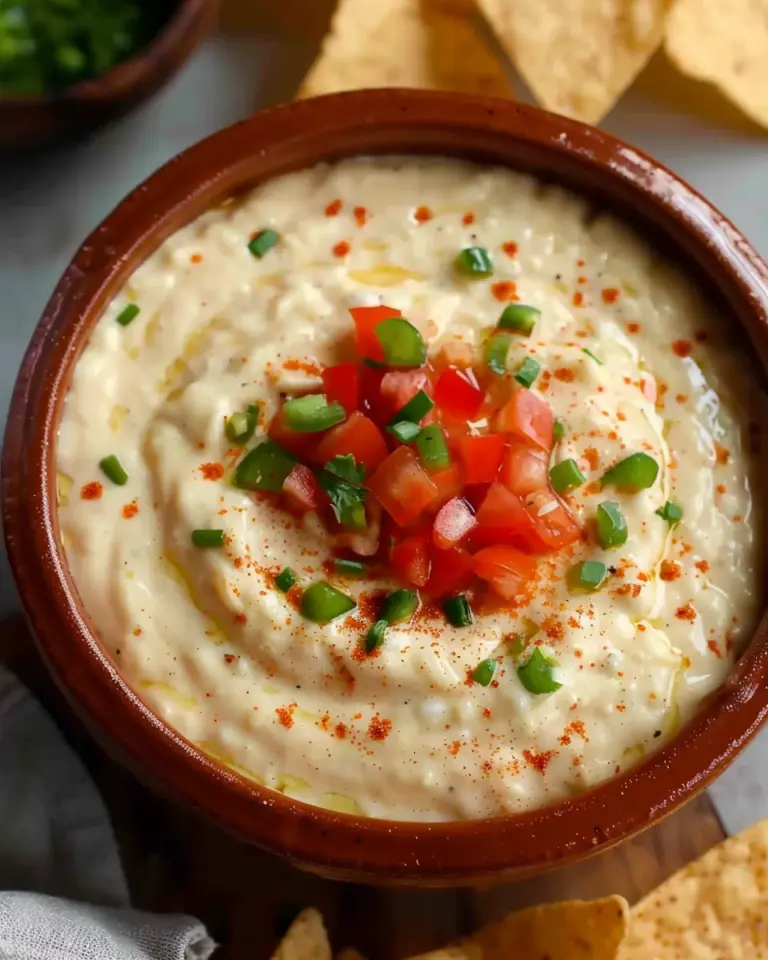
- Spicy cheese sauce or your favorite mustard
Step-by-Step Directions
- Activate the Yeast
In the bowl of a stand mixer, whisk together the warm water, yeast, and sugar. Cover and let sit for 5 minutes until foamy. This confirms that the yeast is active. - Mix the Dough
Add salt, melted butter, and 3 cups of flour to the yeast mixture. Beat on low for 1 minute, then scrape down the sides. Add 3/4 cup more flour and continue mixing on low until the dough pulls away from the sides—about 2 minutes. If it’s still very sticky, add up to 1/4 cup more flour. - Knead the Dough
Switch to the dough hook and knead for 5 more minutes. If kneading by hand, turn dough onto a lightly floured surface and knead for the same time. The dough should feel soft and elastic. - Perform the Windowpane Test
Stretch a small piece of dough between your fingers—if you can see light pass through without tearing, the dough is ready. - Rest the Dough
Cover the bowl with a towel or plastic wrap. Let the dough rest for 10 to 30 minutes. This relaxes the gluten, making it easier to shape. - Preheat the Oven
Preheat oven to 400°F (204°C). Line two baking sheets with silicone baking mats or lightly greased parchment paper. - Shape the Dough
Divide the dough into 6 equal pieces. Roll each into a 20-inch rope. If dough resists or shrinks, let it rest for 10 minutes, then try again. Cut each rope into 1.5 to 2-inch pieces to form pretzel bites. - Prepare the Baking Soda Bath
In a large pot, bring 9 cups of water and 1/2 cup of baking soda to a rolling boil. - Boil the Pretzel Bites
Drop 8 to 10 pretzel bites into the boiling water for 10 to 15 seconds. Do not over-boil or the pretzels may taste metallic. Remove with a slotted spoon and place on prepared baking sheets. - Add Topping
Immediately sprinkle with coarse salt, or leave plain if you’re adding a sweet topping after baking. - Bake the Pretzels
Bake for 15 minutes, or until golden brown and puffed. Transfer to a cooling rack and serve warm.
Serving Suggestions
These soft pretzel bites are incredibly versatile. They make a standout appetizer, snack, or side. Serve them warm straight out of the oven or reheat for a quick crowd-pleaser any time.
Delicious Ways to Serve Soft Pretzel Bites:
- Pair with a spicy cheese sauce for a bold, savory snack.
- Offer classic yellow, Dijon, or whole-grain mustard for dipping.
- Serve as part of a game-day snack platter with other finger foods.
- Include in a bread basket alongside soups, stews, or chili.
- Offer sweet bites coated in cinnamon sugar with a vanilla glaze dip.
- Add to a charcuterie board with cured meats, cheeses, and pickles.
- Serve warm with beer cheese dip at gatherings or casual parties.
- Pack into lunchboxes for a savory homemade snack on-the-go.
These options suit every occasion—from casual get-togethers to cozy weeknight treats.
Common Mistakes To Avoid & How to Perfect the Recipe
Making homemade soft pretzel bites is straightforward, but a few key tips can ensure the best flavor, texture, and appearance.
Avoid These Common Pitfalls:
- Using water that’s too hot for the yeast
Water over 110°F can kill yeast. Use warm water around 100°F for proper activation. - Skipping the foam test on the yeast
If your yeast doesn’t foam after 5 minutes, it’s not active. Restart with fresh yeast. - Over-adding flour
Dough should be soft and slightly tacky, not dry. Too much flour leads to dense pretzels. - Under-kneading the dough
Insufficient kneading means poor gluten structure. Knead for at least 5 minutes until elastic. - Not allowing the dough to rest
Resting relaxes the gluten and makes shaping easier. Don’t skip this 10–30 minute pause. - Boiling pretzels for too long
Boiling longer than 15 seconds can result in a bitter, metallic flavor. Stay under 15 seconds per batch. - Failing to salt while wet
Salt must be added immediately after the baking soda bath, while pretzels are still moist. - Baking in a cold oven
Always preheat your oven to 400°F. An under-heated oven will yield uneven baking and soft exteriors.
How to Perfect the Soft Pretzel Recipe:
- Use a stand mixer for consistent kneading.
- Always test your yeast and water temperature.
- Don’t skip the windowpane test.
- Boil precisely 10–15 seconds in the baking soda bath.
- Serve immediately or follow reheating instructions for best texture.
Side Dish Recommendations
Pair your soft pretzel bites with these curated sides to build a complete, crave-worthy menu. Each pairing brings complementary textures and flavors to the chewy, salty pretzels.
1. Beer-Cheese Soup
A creamy, rich soup made with cheddar and lager. Dip pretzel bites directly into the soup for a warm, savory meal.
2. Tomato-Basil Bisque
The acidity of tomato with fresh basil pairs beautifully with the soft saltiness of pretzels. A comforting cold-weather combo.
3. Currywurst with Mustard Sauce
A bold, spiced sausage dish from German street food culture. Pretzel bites add a new twist, replacing traditional rolls or fries.
4. Spinach-Artichoke Dip
A rich and creamy dip perfect for scooping with pretzel bites. This pairing is popular at parties and potlucks.
5. Charcuterie Board
Swap crackers for warm pretzel bites. Add cured meats, aged cheeses, olives, and fruit for a savory and elegant display.
6. Roasted Vegetable Platter
Balance the heaviness of pretzel bites with a colorful spread of oven-roasted vegetables like carrots, Brussels sprouts, or bell peppers.
7. Chili con Carne
A hearty bowl of chili and soft pretzels makes the ultimate comfort food duo. Perfect for winter evenings or game-day gatherings.
8. Beer-Brined Sausages
Pair freshly baked pretzel bites with grilled sausages and mustard. Serve as a casual pub-style meal or party platter.
Recipe Tips, Storage, and Reheating Instructions
Mastering the soft pretzels recipe means knowing how to store and revive them perfectly. With a few extra steps, your pretzel bites can stay chewy and delicious for days.
Storage Guidelines
- Room Temperature
Store baked pretzel bites in an airtight container at room temperature for up to 3 days. Keep them sealed to prevent drying out. - Refrigeration
Not recommended for baked pretzels as it can affect texture. If needed, refrigerate boiled (but unbaked) bites for up to 24 hours before baking. - Freezing
Once cooled, freeze pretzel bites in a freezer-safe bag. Reheat straight from frozen for quick snacks.

Reheating Instructions
- Oven Reheating (Best Method)
Preheat oven to 350°F (177°C). Bake bites on a tray for 5–7 minutes until warm and slightly crisp on the outside. - Microwave (Quick Method)
Wrap in a damp paper towel and microwave for 10–15 seconds. This softens the bite but may reduce crust texture. - To Re-Crisp
For extra crunch, reheat under the broiler for 1 minute. Watch carefully to avoid over-browning.
Expert Tips for the Best Soft Pretzels
- Brush warm pretzels with melted butter for added richness and a glossy finish.
- Sprinkle garlic powder, Parmesan, or everything bagel seasoning for variety.
- Use bread flour in place of some all-purpose flour for a chewier texture.
- Let boiled dough rest briefly before baking if you prefer a puffier bite.
- Always serve dips chilled or slightly warmed to enhance contrast with warm pretzels.
Frequently Asked Questions (FAQs)
Can I use active dry yeast instead of instant yeast?
Yes. Both types work well. If using active dry yeast, allow a few extra minutes for proofing.
Why do pretzels boil in baking soda?
Boiling in baking soda creates an alkaline environment that reacts with the dough to form a chewy crust and golden color, mimicking traditional lye-treated pretzels.
Can I make full-size pretzels with this recipe?
Yes. Roll each dough piece into a longer rope, then twist into a classic pretzel shape before boiling and baking.
Can I make the dough ahead of time?
You can refrigerate the boiled (but unbaked) dough for up to 24 hours. Bake directly from the fridge the next day.
My pretzels taste metallic—why?
This happens when they are boiled too long in the baking soda bath. Stick to 10–15 seconds per batch.
What can I use for dipping sauces?
Try spicy cheese sauce, yellow mustard, honey mustard, whole-grain mustard, beer cheese, or sweet vanilla glaze for cinnamon sugar bites.
Can I use whole wheat or gluten-free flour?
You can replace part of the flour with whole wheat, though texture will be denser. For gluten-free, use a dedicated blend designed for yeast breads.
How do I know when they’re done baking?
They should be deep golden brown, slightly puffed, and firm to the touch. The inside should be soft but not doughy.
Can I add flavor directly to the dough?
Yes. Try mixing in grated cheese, garlic powder, or chopped herbs during the kneading stage.
How can I keep the salt from falling off?
Salt sticks best immediately after boiling while pretzels are still wet. For long-term storage, leave them unsalted and add toppings just before serving.