greek lemon chicken soup
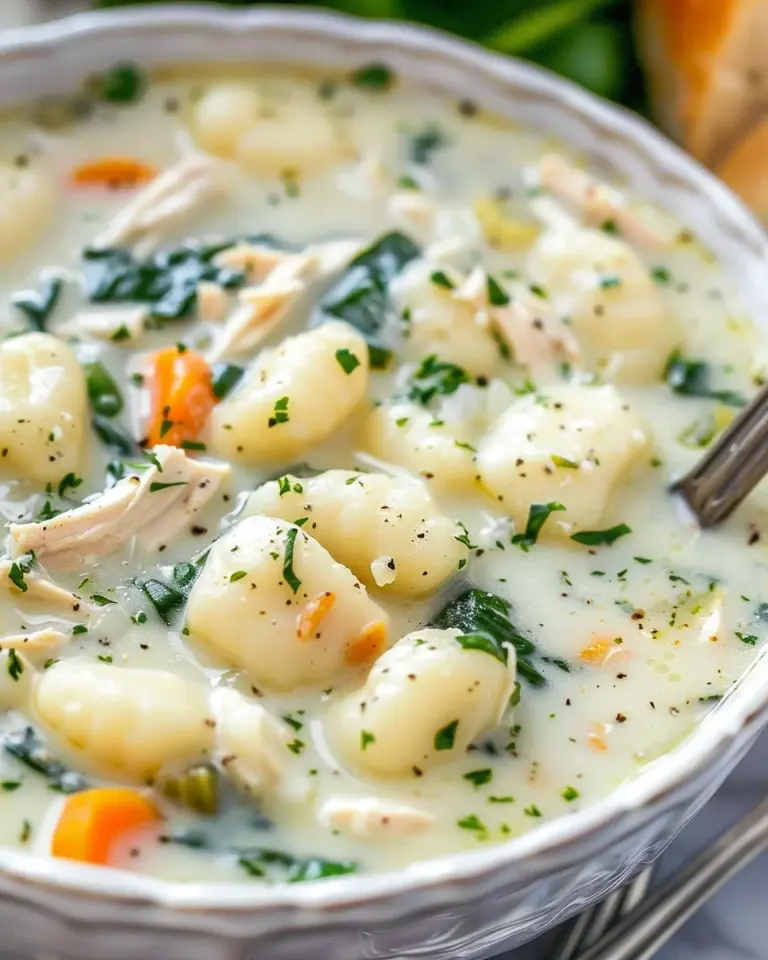
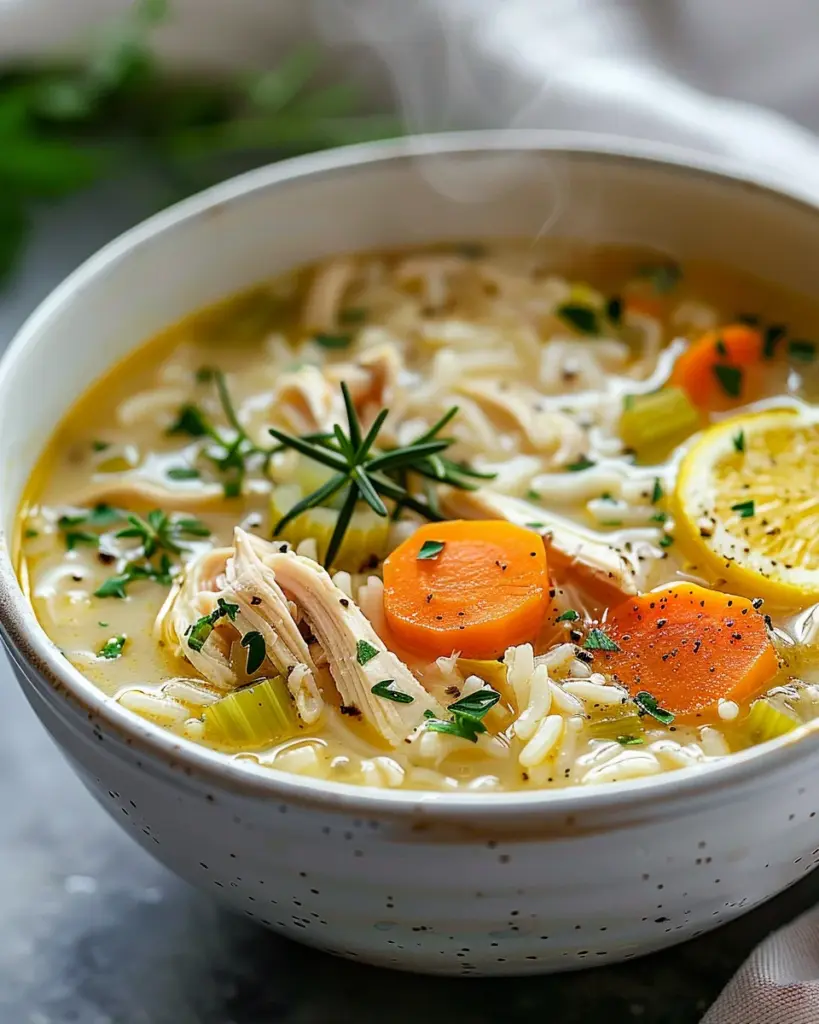
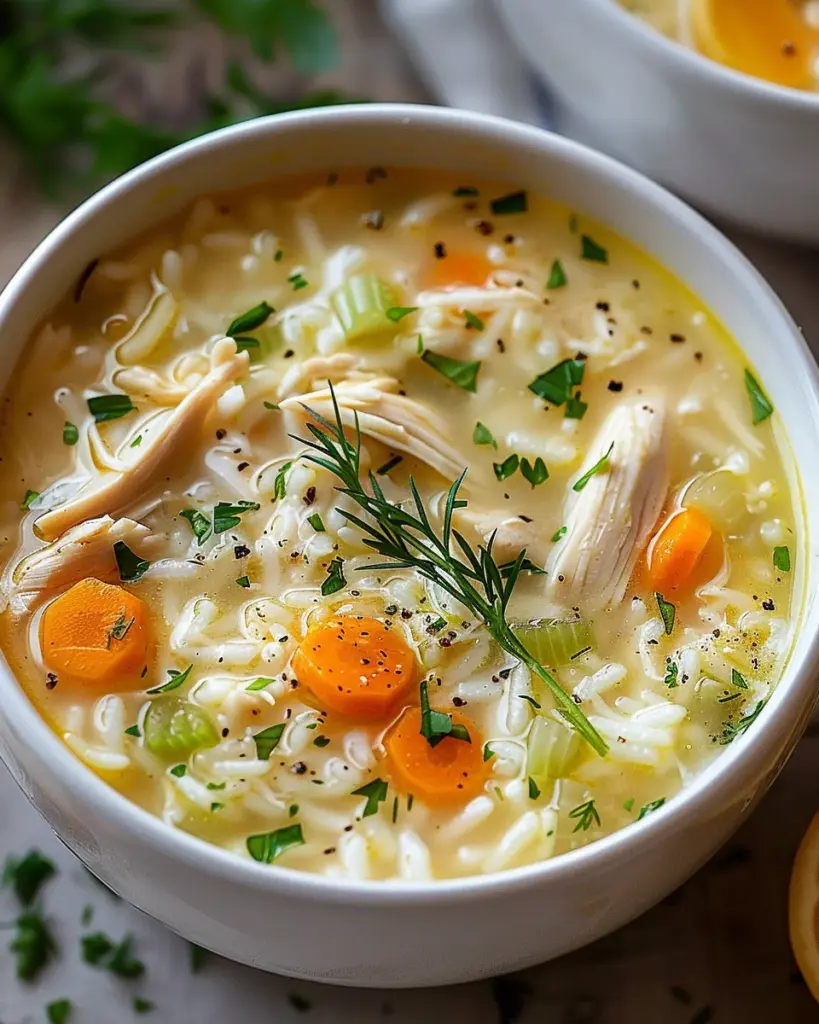
Cozy up with a bowl of Greek Lemon Chicken Soup, a zesty and hearty dish perfect for any season. Packed with tender chicken, fresh lemon, and velvety egg‑lemon sauce, this comforting classic is a one‑pot wonder. Ideal for meal prep, it’s gluten‑free (if you use gluten‑free flour or skip the thickener), protein‑rich, and bursting with Mediterranean flavors. Try this easy, flavorful soup today!
Recipe appeal, uses & unique features
- The bright lemon lifts the flavour, giving the soup a refreshing twist that still fits a comfort‑food context.
- The silky texture comes from the egg‑lemon emulsion (a technique known in Greek cuisine as “avgolemono”) which gives richness without heavy cream.
- Because it uses chicken, broth, rice (or another grain) and vegetables, it works well as a full meal in a bowl.
- It’s versatile: serve it for a cosy dinner, a light lunch, or even as a starter for a Mediterranean‑style menu.
- It’s also relatively quick and simple, yet feels special—good for both everyday and when you want something that feels a bit elevated.
- Unique feature: the step where you temper the egg‑lemon mixture so the broth thickens smoothly without curdling.
Why readers will love it
- They’ll love how the lemon brightness cuts through the richness of the chicken and rice, delivering comfort with freshness.
- The one‑pot nature (mostly) means ease and less cleanup.
- The recipe lends itself to variations (you can adjust vegetables, grain, chicken cuts) so it’s flexible.
- It’s somewhat unexpected compared to typical chicken soups—so it adds variety to their repertoire.
- It holds up well for leftovers and reheating (with care), so it’s practical for busy days.
Preparation Phase & Tools to Use
Essential Tools and Equipment
- Large heavy‑bottomed pot or Dutch oven: to safely simmer broth, vegetables, rice and chicken in one vessel.
- Medium bowl: to beat the egg yolks (or eggs) and lemon juice for the emulsion.
- Ladle: for removing some hot broth to temper the egg‑lemon mixture.
- Whisk: needed for the egg‑lemon mixture to get a smooth emulsion without bits.
- Cutting board and knife: to chop onion, celery, carrots and prepare chicken (if you’re using raw or leftovers).
- Measuring cups and spoons: to ensure correct amounts of liquid, lemon juice, thickener (if used) and seasonings.
- Spoon or spatula: for stirring soup consistently (especially after adding thickener and again after adding the egg‑lemon mixture).
- Serving bowls and ladle: to present the finished soup elegantly, with lemon slices or garnish.
Importance of Each Tool
- A heavy‑bottomed pot helps evenly distribute heat and avoid scorching the broth when simmering.
- The medium bowl isolates the egg‑lemon mixture so you can control tempering (which is very important to avoid curdled eggs).
- A ladle gives you control when drawing off hot broth for tempering.
- A whisk ensures a smooth egg‑lemon mixture that blends seamlessly into the hot soup.
- Good knife and board mean your vegetables cook evenly (positively impacting texture and flavour).
- Accurate measuring tools maintain balance (e.g., too much lemon might dominate; too little might under‑deliver the signature tang).
- The stirring implement ensures the thickener disperses evenly and prevents the broth from separating when the egg‑lemon is added.
- Serving bowls and ladle elevate the experience, making it feel more special and shareable.
Preparation Tips
- Chop vegetables uniformly so they cook at the same rate, and ensure they become tender but not mushy.
- Use freshly squeezed lemon juice for the best vibrant flavour; bottled juice can be flat.
- If your chicken is raw at the start, you can cook it in the broth then shred it; or use pre‑cooked chicken to save time.
- When adding thickener (if using flour/butter roux or another method), stir constantly so it blends in smoothly and avoids lumps.
- Tempering the egg‑lemon mixture is critical: slowly add hot broth while whisking the eggs, then add back to the pot off‑heat or on very low heat so you avoid curdling.
- Remove the soup from high heat just after adding the egg‑lemon mixture; do not let it boil. This preserves the silky texture.
- Taste and adjust seasoning at the end—especially salt and pepper—since the lemon can alter flavour balance after you stir everything in.
- Garnish with lemon slices (or fresh herbs like dill or parsley) just before serving, to add brightness and visual appeal.
Ingredients (Clear & Organized)
- 8 cups chicken broth
- ½ cup fresh lemon juice
- ½ cup shredded carrots
- ½ cup finely chopped onion
- ½ cup finely chopped celery
- 6 tablespoons chicken soup base (or bouillon)
- ¼ teaspoon ground white pepper
- ¼ cup margarine (or butter)
- ¼ cup all‑purpose flour
- 8 egg yolks
- 1 cup cooked white rice
- 1 cup diced cooked chicken
- 16 lemon slices (for garnish)
Step‑by‑Step Directions
- Prepare the Base
- In a large pot, combine chicken broth, lemon juice, shredded carrots, chopped onion, chopped celery, chicken soup base and ground white pepper.
- Bring the mixture to a boil over high heat.
- Once boiling, reduce the heat and let it simmer for 15–20 minutes, or until the vegetables are tender.
- Thicken the Soup
- In a small bowl, mix the margarine (or butter) and flour until smooth (this forms a roux).
- Gradually stir this roux into the simmering soup.
- Continue cooking, stirring frequently, for 8–10 minutes until the soup is slightly thickened.
- Temper the Egg Yolks
- Beat the egg yolks in a separate bowl until pale and creamy.
- Slowly add a ladle of hot soup to the yolks, whisking constantly (to temper and avoid curdling).
- Gradually pour the egg mixture back into the pot, stirring continuously.
- Cook gently until heated through; do not boil after adding the eggs.
- Finish the Soup
- Add the cooked rice and diced cooked chicken to the pot.
- Cook for a few more minutes until everything is heated through.
- Serve
- Ladle the soup into bowls.
- Garnish each bowl with a slice of lemon.
- Serve immediately and enjoy!
Serving Suggestions
Greek Lemon Chicken Soup can be served in a variety of ways to elevate the dining experience:
- As a standalone entrée: With rice, protein, and vegetables all in one pot, this soup is filling enough to be the main course.
- With a fresh green salad: A light, crisp salad dressed with olive oil and lemon juice pairs beautifully with the soup’s creamy richness.
- With crusty bread or pita: Serve warm sourdough, garlic bread, or toasted pita on the side to soak up the velvety broth.
- In smaller portions: Ideal as a starter before a Mediterranean-themed meal or alongside other Greek appetizers.
- Topped with fresh herbs: Garnish with chopped parsley, dill, or a sprinkle of oregano for added color and flavor.
- With an egg topping: Add a poached egg for extra protein and a gourmet touch.
- Drizzled with olive oil: A swirl of high-quality extra virgin olive oil enhances the richness.
- Chilled lemon water or white wine: Complements the citrus notes and keeps the meal light.
Common Mistakes To Avoid & How to Perfect the Recipe
Avoiding these pitfalls ensures your Greek Lemon Chicken Soup turns out perfect every time:
- Boiling the soup after adding the egg-lemon mixture
This is the most common mistake. Never boil once the avgolemono is added, or the eggs will curdle. - Not tempering the eggs correctly
Pouring hot broth too quickly into the egg yolks can cook them. Always whisk slowly and steadily. - Using bottled lemon juice
This shortcut dulls the soup’s bright flavor. Always use fresh lemon juice. - Overcooking the chicken
Diced chicken should be heated through, not boiled again. Add it toward the end to maintain tenderness. - Using too much thickener
A heavy roux can overpower the silky texture. Use light roux or rely solely on the egg-lemon emulsion. - Skimping on seasoning
The lemon balances the saltiness; if under-seasoned, the soup can taste flat. Taste and adjust before serving. - Letting the rice overcook
Pre-cooked rice can become mushy if simmered too long. Add it just before serving. - Skipping the garnish
A slice of lemon or herbs enhances both flavor and presentation. Don’t leave out the final touch!
Side Dish Recommendations
Pairing Greek Lemon Chicken Soup with complementary sides enhances the meal experience. Here are 8 delicious options:
1. Greek Salad
A classic mix of cucumber, tomatoes, red onion, kalamata olives, and feta with olive oil and oregano. Crisp and tangy to contrast the creamy soup.
2. Spanakopita (Spinach Pie)
Layers of flaky phyllo pastry filled with spinach, herbs, and feta. Adds texture and Greek authenticity to your table.
3. Lemon Roasted Potatoes
Oven-roasted potatoes with lemon juice, garlic, and oregano. Their savory crunch pairs perfectly with the smooth soup.
4. Dolmades (Stuffed Grape Leaves)
Rice-stuffed grape leaves seasoned with herbs and sometimes meat. A light and traditional Greek starter.
5. Pita Bread with Tzatziki
Toasted pita served with a cooling cucumber-yogurt dip balances the lemony zing of the soup.
6. Feta Cheese & Olive Plate
Simple yet flavorful, this rustic platter adds bold, salty flavors that complement the soup’s mild creaminess.
7. Grilled Halloumi
Slightly salty and chewy, halloumi adds another protein component and satisfying bite.
8. Orzo Pasta Salad
A cold pasta salad with olives, tomatoes, herbs, and feta. Adds texture contrast and Mediterranean flair.
Recipe Tips, Storage and Reheating Instructions
Recipe Tips:
- Always use freshly squeezed lemon juice for the best flavor impact; bottled juice tends to dial down the brightness.
- Tempering the egg‑lemon mixture is critical: while whisking the eggs and lemon, slowly add a ladle of hot broth before returning the mixture to the pot. This prevents curdling and preserves the silky texture.
- After adding the egg‑lemon mixture, remove the pot from heat (or keep the heat very low). You must avoid boiling once the eggs are in, or the soup will separate.
- For a lighter version, you can skip or reduce the flour/margarine thickening step and rely more on the egg‑lemon emulsion for body.
- If using rice (or orzo) make sure it is pre‑cooked or added sufficiently early so it’s tender but not mushy.
- Garnish just before serving with lemon slices (or fresh herbs like dill or parsley) to preserve visual appeal and freshness.
- If you’re prepping ahead, you can cook most of the soup and leave the final tempering step until serving time, so that the texture stays optimal.
Storage Instructions:
- Let the soup cool‑to‑room temperature, then transfer to airtight containers. Store in the refrigerator for up to 3 to 4 days.
- Freezing is possible (despite the egg‑lemon emulsion) if handled carefully: freeze in individual or family‑size portions, leaving head‑space for expansion. Label and use within 3 months for best quality.
- When reheating, gently warm the soup on the stovetop over medium‑low heat and stir frequently. Do not bring to a rolling boil, or the eggs may curdle, and the texture will degrade. You may need to add a little extra broth or water if the rice/orzo has absorbed too much liquid.
Reheating Instructions:
- Remove from fridge or thaw from freezer (if frozen).
- Place in a pot on medium‑low heat.
- Add a splash of chicken broth or water if the soup appears too thick or rice has expanded.
- Stir gently and continuously until warmed through. Stop heating before the soup begins to simmer vigorously.
- Taste and adjust salt, pepper, and lemon juice (the acidity may fade on reheating).
- Serve immediately with a fresh lemon slice or fresh herb garnish.
FAQs
Q1: Can I substitute orzo instead of rice?
Yes. Many recipes suggest that orzo works well in place of rice and often cooks more quickly.
Q2: Can I use bottled lemon juice instead of fresh?
While you can, fresh lemon juice is strongly preferred because it has brighter, cleaner flavor. Using bottled juice may yield a flatter taste.
Q3: Is the egg‑lemon mixture mandatory?
Traditionally yes, because it gives the characteristic silky texture and tang. If omitted, you’ll get a lemon‑chicken‑rice soup, but without the signature “avgolemono” feel.
Q4: Can I make this vegan or dairy free?
Yes — although the classic version uses egg yolks, you can adapt the dish by omitting eggs and using plant‑based thickening or more broth‑only approach. The flavor will shift but you’ll still have a lemon chicken‑style soup (or use vegan chicken substitute).
Q5: My soup separated / curdled — what went wrong?
Most likely the egg‑lemon mixture was added directly into a boiling soup, or the broth used to temper was too hot, causing the eggs to coagulate. Solution: temper slowly and avoid boiling after addition.
Q6: Can I freeze leftover soup?
Yes, you may freeze it, but note the texture may change slightly. Thaw in fridge and reheat gently, adding extra liquid if needed.
Q7: How do I adjust for fewer servings?
Scale down all ingredient quantities proportionally. Be especially careful with lemon juice and eggs — you want to maintain the balance of tang and silkiness. Taste as you go.