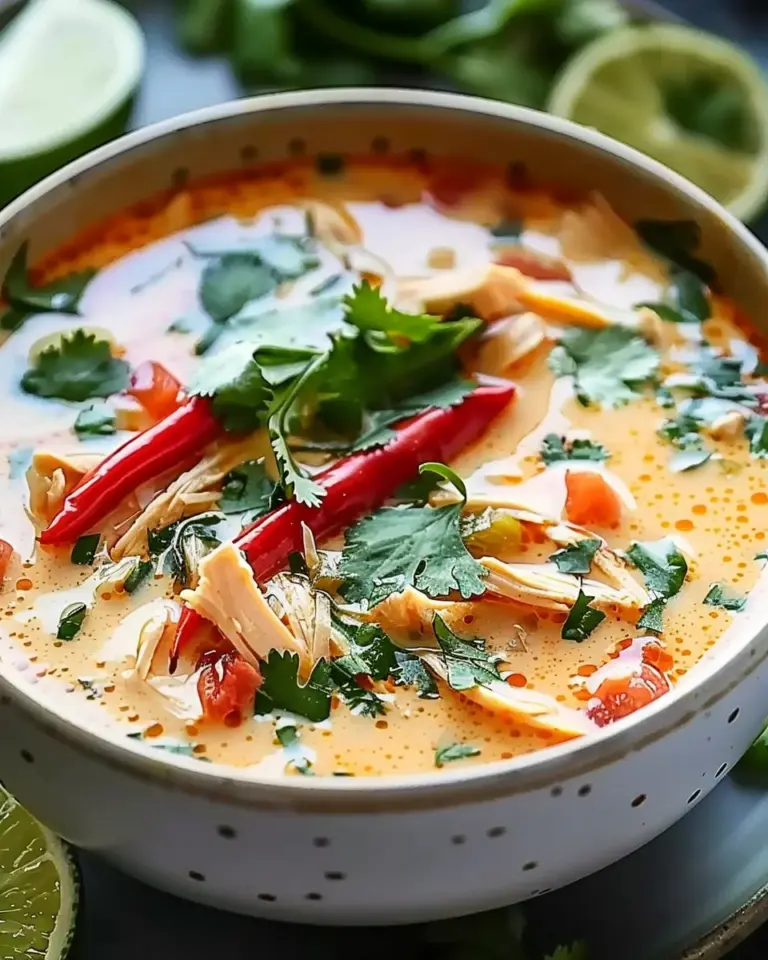
Chinese Chicken Noodle Soup
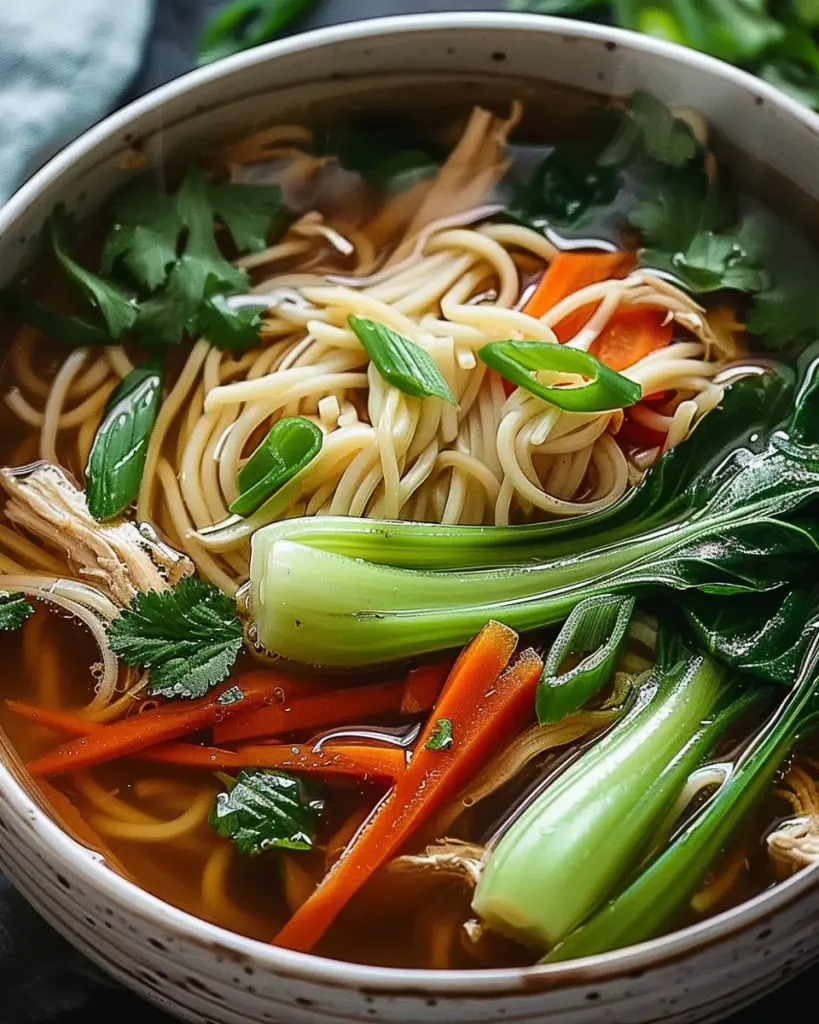
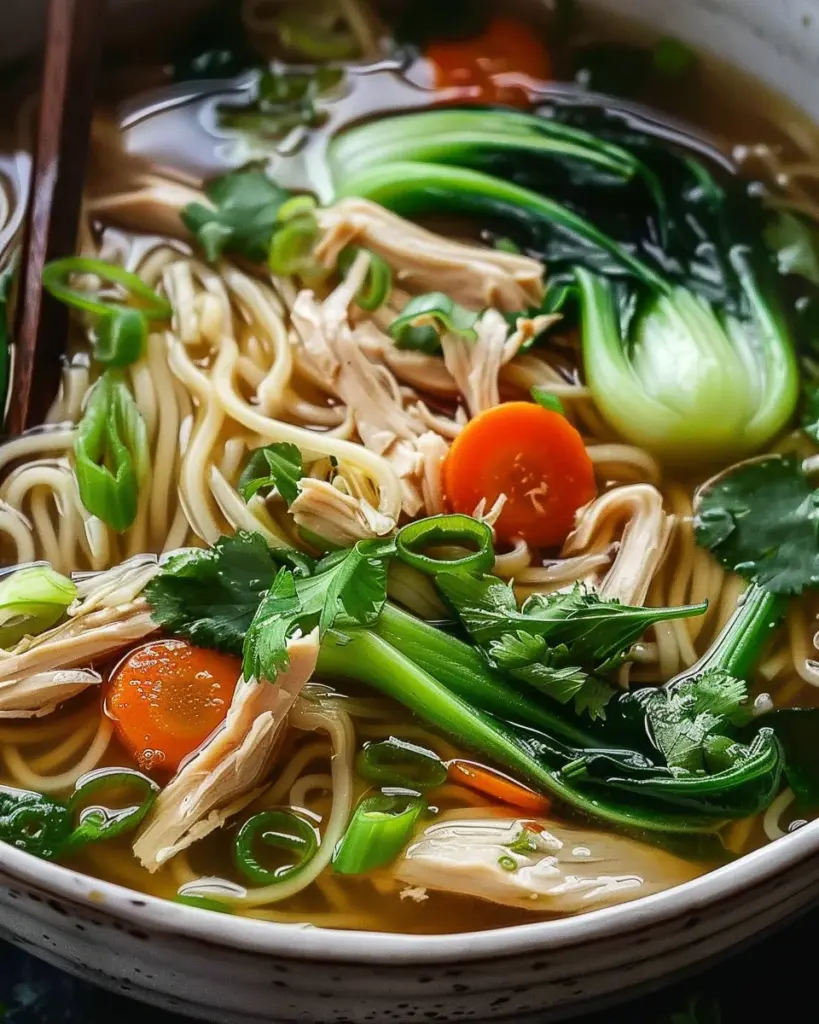
If you’re craving a bowl of comfort in a spoon, this Chinese Chicken Noodle Soup delivers on both warmth and flavour. With fresh aromatics, a rich yet light broth, and tender shredded chicken over springy noodles, it’s perfect for a chilly evening or when you’re feeling under the weather. What makes it special is the layering of fragrant ginger, garlic, and spices fused into a clear broth that wraps around noodles and veggies just right. You’ll love it because it’s both simple and deeply satisfying — a step beyond the usual chicken noodle soup.
Why Readers Will Love It
- Uses ingredients you can find easily and pairs them in a way that delivers a restaurant‑quality broth at home.
- It’s versatile — you can scale it up or swap in vegetables or proteins as you like.
- It’s comforting and nourishing; ideal for a casual weeknight dinner or when you need something soothing.
- The flavour profile offers something different from typical Western‑style chicken noodle soups: more aromatic, lightly spiced, with Chinese pantry touches.
Preparation Phase & Tools to Use
Essential Tools and Equipment
- A medium to large pot or Dutch oven (3.5 qt / ~3‑4 L or bigger) — for browning the chicken and simmering the broth effectively.
- A separate pot for boiling the noodles (this prevents the noodles from absorbing all the broth).
- A pair of tongs — to remove the chicken from the soup pot cleanly.
- Two forks — to shred the chicken after cooking.
- A mesh colander or fine sieve — for straining out solids (ginger, garlic, bay leaf etc) to leave a clear broth.
- A sharp knife and chopping board — for prepping garlic, ginger, green onion, vegetables.
- Measuring spoons and cups — to ensure accurate seasoning.
- A serving ladle and bowls — for serving the soup.
Importance of Each Tool
- The large pot/Dutch oven ensures you can brown chicken, sauté aromatics and then simmer the broth without crowding, giving even heat and space for flavour development.
- The separate noodle pot ensures your broth retains its volume and clarity — noodles will absorb liquid if cooked in the same pot.
- Tongs + forks make the chicken handling cleaner and safer, and shredding yields ideal texture for the soup.
- The mesh colander ensures you remove solids (like ginger slices, bay leaf, peppercorns) leaving a polished broth.
- Proper prep equipment (knife, board, measuring spoons) makes the process smooth and efficient — especially helpful in a recipe with multiple small‑steps.
- Serving utensils and bowls complete the presentation and ensure the experience is as good as the cooking.
Preparation Tips
- Brown the chicken thighs on one side until light golden before flipping. This adds extra depth of flavour to the broth.
- Sauté aromatics (garlic, ginger, green onion, spices) just long enough until fragrant — this draws out their essence without burning.
- Cook the noodles separately if they are dried. Fresh noodles behave differently; they expand less, so adjust quantity if using fresh.
- Taste and adjust seasoning (soy sauce, salt) right before serving — broth will concentrate somewhat in the simmering stage.
- If you’re in a hurry: consider using pre‑shredded rotisserie chicken and skip the browning step — you’ll still get a delicious result.
List of Required Ingredients
Broth
- 1 teaspoon olive oil (or chicken fat)
- 2 pieces bone‑in skin‑on chicken thighs (or boneless skinless thighs)
- 4 cloves garlic, smashed
- 1″ piece of ginger, sliced
- 1 green onion, halved
- ½ teaspoon cumin seeds
- ½ teaspoon Sichuan peppercorns (or black pepper)
- 1 teaspoon Shaoxing wine (or dry sherry)
- 4 cups chicken broth (or low‑sodium chicken broth)
- ½ bunch cilantro (including leaves and stems) — about 1 cup packed
- 1 bay leaf
Soup
- ½ teaspoon soy sauce (or to taste)
- 3 oz dried noodles (if fresh noodles: about 4 oz / 225 g)
- 1 carrot, sliced
- 3 baby bok choy, each cut lengthwise into 6 pieces
- 2 tablespoons fresh cilantro, chopped
Step‑by‑Step Directions (with Tips & Variations)
- Heat the oil in your 3.5 qt (or larger) pot or Dutch oven over medium heat until hot. Add the chicken thighs. Cook undisturbed for about a minute or until the bottom turns light golden.
- Flip the chicken thighs. Add the smashed garlic, sliced ginger, halved green onion, cumin seeds, and Sichuan peppercorns (or black pepper). Cook for about 1 minute, stirring occasionally, until the spices become fragrant.
- Add the Shaoxing wine (or dry sherry), the chicken broth, the packed cilantro (leaves + stems), and the bay leaf. Bring this mixture to a boil over medium‑high heat, then reduce to a simmer and cover. Simmer for about 20 minutes.
- Meanwhile, cook the noodles in a separate pot according to the package directions. (If using fresh noodles, use the adjusted quantity since they expand less.)
- After the broth has simmered, remove the chicken with tongs and transfer it to a plate. Using two forks, remove and discard the skin, then shred the chicken meat.
- Strain the broth through a mesh colander to remove the garlic, ginger, green onion, bay leaf and any solids, returning the liquid to the pot.
- Add the soy sauce to the broth and taste; adjust seasoning as needed. Heat over medium‑high again until it returns to a boil.
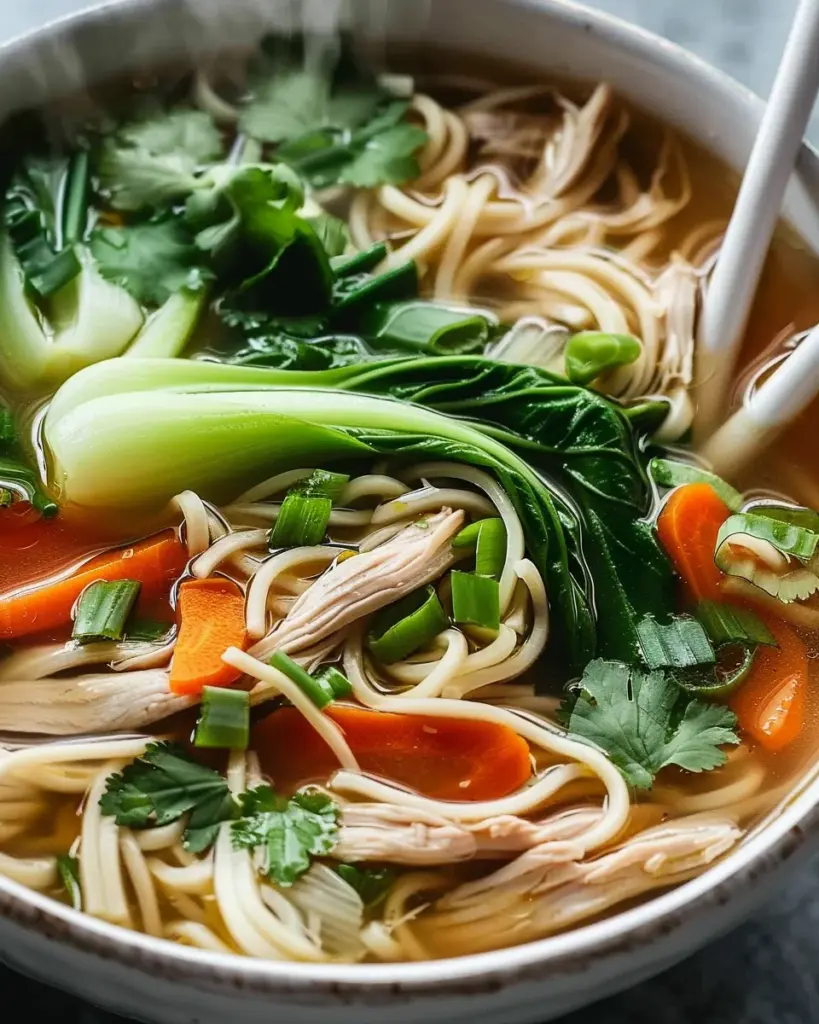
- Add the sliced carrot and cook for about 3 minutes. Then add the bok choy and cook for another minute or until it reaches your desired texture. Return the shredded chicken to the broth and stir to warm it through.
- In serving bowls, place the drained noodles, then ladle the broth with vegetables and chicken over them. Garnish with a sprig of cilantro (or chopped cilantro) and serve hot.
- Variation tip: For a faster version, use 2 cups of shredded rotisserie chicken at the end (skip steps for browning thighs), and skip the straining step by mincing garlic, ginger, green onion and using powdered spices.
Serving Suggestions
Chinese Chicken Noodle Soup is a versatile dish that can be served as a standalone meal or paired with complementary sides for a more complete dining experience. It’s ideal for:
- Weeknight dinners when you want something warm and filling.
- Lunch during colder seasons — it’s light enough not to slow you down but hearty enough to satisfy.
- Recovery meals when someone is sick or needs something gentle and nourishing.
- Make-ahead meal prep — cook the broth and noodles in advance, and assemble when ready to serve.
Serving Tips:
- Serve the soup piping hot in deep bowls to retain heat.
- Add chili oil, a drizzle of toasted sesame oil, or a few drops of soy sauce at the table to let diners adjust the flavor.
- Use fresh cilantro or thinly sliced green onions as a garnish for extra aroma and brightness.
Common Mistakes to Avoid & How to Perfect the Recipe
1. Using skinless chicken or only broth
- Mistake: Skipping bone-in skin-on chicken thighs means missing out on depth of flavor.
- Fix: Even a short simmer with bone-in chicken builds richness in the broth. If using rotisserie chicken, supplement with extra aromatics or simmer the bones separately.
2. Boiling noodles in the broth
- Mistake: Noodles absorb too much liquid, leaving less broth and clouding it.
- Fix: Always cook noodles separately and add them to bowls before ladling in broth.
3. Skipping straining the broth
- Mistake: Bits of peppercorns, ginger skin, and bay leaf create a rough texture.
- Fix: Straining gives a cleaner, smoother soup experience.
4. Overcooking vegetables
- Mistake: Bok choy and carrots lose their bite and turn mushy.
- Fix: Add carrots first, cook for a few minutes, then add bok choy right at the end.
5. Underseasoning the broth
- Mistake: Bland soup from not tasting the broth after simmering.
- Fix: Adjust salt or soy sauce after removing solids and just before adding the veggies.
6. Skipping aromatics or spices
- Mistake: A flat-tasting broth.
- Fix: Garlic, ginger, cumin, and Sichuan peppercorns are essential to build layered flavor.
7. Crowding the pan
- Mistake: Chicken doesn’t brown properly.
- Fix: Ensure there’s enough room in the pot to brown the chicken in batches if needed.
8. Using low-quality broth
- Mistake: A thin, flavorless base.
- Fix: Use homemade or high-quality low-sodium chicken broth and enhance it with wine and spices.
Side Dish Recommendations
Pair your soup with sides that complement its light yet rich flavor. Here are 8 great side dishes to consider:
1. Scallion Pancakes
Crispy, chewy, and savory, they’re a great companion to soup. Dip in soy or chili sauce.
2. Chinese Pickled Cucumbers
These crunchy, tangy cucumbers offer a refreshing contrast to the warm broth.
3. Steamed Dumplings
Serve pork, chicken, or vegetable dumplings as an appetizer or side — they complete the comfort-food vibe.
4. Cold Sesame Noodles
A spicy, nutty noodle salad that can be served cold — balances the warmth of the soup.
5. Spring Rolls (Fresh or Fried)
These bring texture — fresh ones are light and crisp, while fried ones add a crunchy counterpart.
6. Simple Stir-Fried Greens
Think Chinese broccoli (gai lan), snow pea shoots, or spinach sautéed with garlic and sesame oil.
7. Steamed Buns (Bao)
Soft, fluffy buns filled with pork, chicken, or mushrooms make for a heartier meal.
8. Spicy Edamame
Recipe Tips
Here are several refined tips to elevate your Chinese Chicken Noodle Soup and ensure you get the best texture, flavour and experience:
- Use bone‑in, skin‑on chicken thighs if possible — the bones and skin enrich the broth with deeper flavour and body.
- When browning the chicken, let it sit undisturbed until the bottom turns light golden. That initial colour adds richness.
- Sauté your aromatics (garlic, ginger, green onion) and spices briefly until fragrant — do not overcook them or they become bitter.
- Cook the noodles separately from the broth. This prevents them from absorbing too much liquid and keeps the soup balanced.
- After simmering, taste the broth and adjust seasoning before adding the vegetables and chicken back. Small tweaks (soy sauce, salt) make a big difference.
- Add vegetables in stages: first carrots (for 3 minutes), then bok choy (for ~1 minute) to maintain their texture and colour.
- For a quicker version: skip browning, use shredded rotisserie chicken, mince spices rather than whole seeds, and skip the straining step.
- If using fresh noodles instead of dried, use a bit more (approx 4 oz / 225 g) since fresh noodles expand less.
- Garnish just before serving (fresh cilantro, green onion) to preserve aroma and freshness.
Storage & Reheating Instructions
Storage
- Let the soup cool somewhat before transferring to storage—especially if you will refrigerate or freeze. This helps prevent condensation and bacterial growth.
- Refrigerate in airtight containers. Broth‑based soups like this can last up to ~4 – 5 days when stored properly.
- If you plan to freeze, separate out the noodles or add them fresh later — noodles tend to become mushy when frozen and reheated.
- When freezing, portion into suitably sized containers or freezer bags, label with date, and leave space for expansion.
Reheating
- Stovetop method is best: Place soup in a cold pot, heat over medium, stir occasionally until hot throughout. If broth has thickened, add a splash of stock or water.
- Microwave method (quick lunch): Use a microwave‑safe bowl, cover, heat in 1‑minute bursts then 30 s intervals, stirring between each. Add noodles just before serving if stored separately.
- For frozen soup: Best to thaw in fridge overnight. If reheating from frozen, you can place directly into a pot with a little extra liquid, heat on low until thawed then medium heat until hot.
- If you froze the broth sans noodles, cook fresh noodles and add them just before serving to maintain ideal texture.
FAQs
Here are frequently asked questions with concise answers:
Q: How long can I keep this soup in the refrigerator?
A: Stored in an airtight container, this broth‑based soup will keep for about 3 to 5 days in the fridge.
Q: Can I freeze the soup?
A: Yes — especially the broth and chicken portion. Best if you store noodles separately or add fresh later. Frozen for best quality ~3 months.
Q: Will the noodles get mushy if stored?
A: Yes, noodles absorb liquid over time and lose texture, particularly when frozen. To avoid this, store noodles separately or add fresh at reheating.
Q: Do I need to strain the solids after simmering?
A: Straining removes garlic slices, ginger, bay leaf and peppercorns — which results in a cleaner, smoother broth texture. It’s recommended if you want a refined soup.
Q: Can I use boneless chicken or a whole chicken?
A: Yes. Boneless works, though flavour is richer with bone‑in. If using a whole chicken or rotisserie chicken, adjust accordingly but keep broth depth.
Q: Can I make this vegan or vegetarian?
A: You could adapt by using vegetable broth + plant‑based “chicken” substitute, and omitting skin/animal fat. Adjust seasonings accordingly for flavour