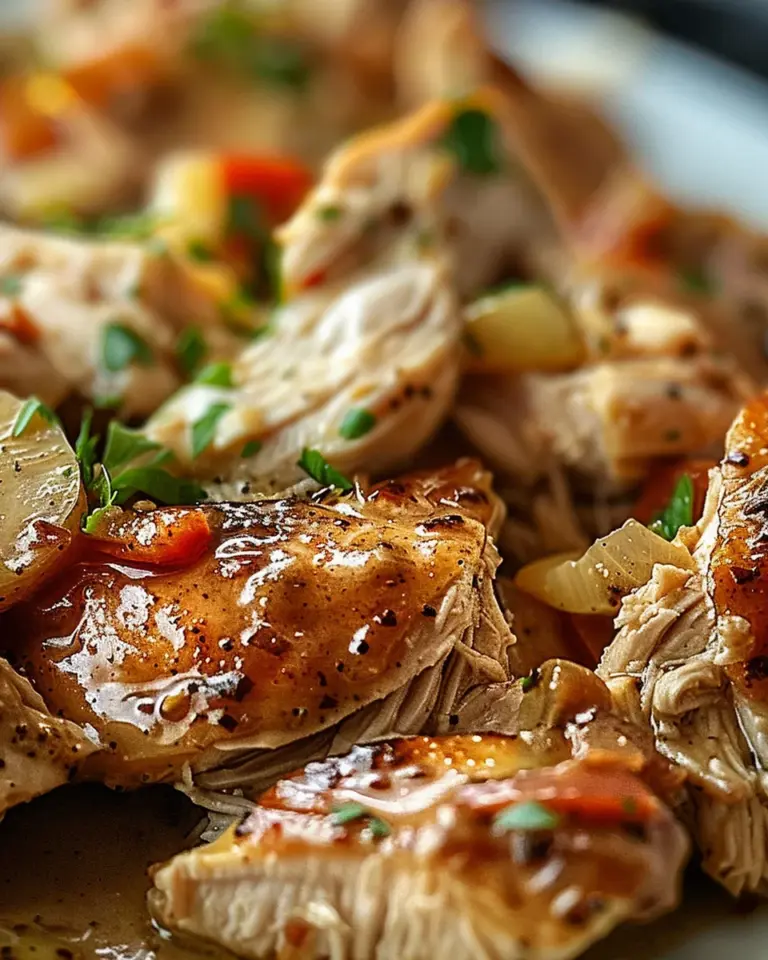
Bacon Cheddar Mashed Potato Casserole
Bacon Cheddar Mashed Potato Casserole delivers the rich, satisfying taste of loaded baked potatoes in an easy, oven-baked dish that’s perfect for holidays, gatherings, or weeknight comfort meals. This casserole blends creamy mashed potatoes with crispy thick-cut bacon, freshly shredded cheddar cheese, smooth Havarti, and the fresh zing of chopped green onions.

If you’re searching for the best loaded mashed potato casserole, this one is layered with textures and flavor. The crisp top layer of melted cheese and bacon gives way to smooth, creamy, cheesy mashed potatoes beneath. Every bite offers a perfect balance of indulgence and comfort.
Why You’ll Love This Recipe
- Perfect for a crowd: It’s designed to serve 9 and is easy to double.
- Make-ahead friendly: Assemble it the night before and bake when ready.
- Versatile: Serve it with roasted meats, poultry, or as a vegetarian-friendly (bacon-optional) dish.
- Customizable: Change the cheese or toppings to suit your taste.
- Reliable crowd-pleaser: Always a hit at holidays and family meals.
Preparation Phase & Tools to Use
Essential Tools and Equipment
To ensure a smooth cooking experience and optimal texture, gather the following tools:
- Large pot: To boil the potatoes evenly.
- Colander: For thorough draining, preventing excess moisture.
- Handheld mixer or potato masher: Achieve the ideal creamy texture without overworking the potatoes.
- Large sauté pan: Perfect for rendering crispy bacon.
- 8×8″ baking dish: Standard size for the recipe; adjust if doubling.
- Aluminum foil: Helps with even baking and prevents early browning.
- Measuring cups and spoons: For accurate ingredient quantities.
- Sharp cheese grater: Freshly grated cheese melts better and has a richer taste.
- Mixing spoon: For folding in ingredients gently.
- Oven mitts: Always essential for safe handling of hot dishes.
Importance of Each Tool
Each tool plays a role in consistency and flavor. For example, using a hand mixer on low avoids overmixing, while grating your own cheese ensures better melt and taste than store-bought shredded varieties. The right baking dish size ensures even cooking and topping distribution.
Preparation Tips
- Bring cream cheese, milk, and butter to room temperature for smooth blending.
- Rinse potatoes after peeling to reduce excess starch.
- Cut potatoes into 1-inch cubes for even boiling.
- Grate cheddar and Havarti cheese fresh—pre-shredded contains additives that affect melt.
- Reserve some bacon and green onions for the final topping.
- Avoid overmixing once you add the butter and dairy to the potatoes—this keeps the texture light and fluffy.
Ingredients
Here’s everything you’ll need for this indulgent bacon cheddar mashed potato casserole:
- 8 slices cold, thick-cut bacon, cubed
- 3 pounds Russet potatoes, rinsed, peeled, and cut into 1″ cubes
- 8 ounces cream cheese, room temperature
- ½ cup whole milk, room temperature
- ½ cup unsalted butter, room temperature
- 2 teaspoons Kosher salt
- 1 teaspoon black pepper
- 1 cup freshly grated Havarti cheese
- 1¾ cup freshly grated Cheddar cheese, divided
- 4 green onions, chopped (white and light green parts only)
Ingredient Notes & Substitutions
- Potatoes: Russets are fluffy and ideal, but Yukon Gold adds richness.
- Cheese: Swap Havarti for mozzarella or gouda for a different flavor.
- Bacon: Thick-cut bacon gives better texture; use turkey bacon if preferred.
- Milk & Butter: Whole milk and unsalted butter ensure creaminess and balance.
- Cream Cheese: Can be replaced with sour cream for a tangier taste.
- Green Onions: Add freshness and contrast to the rich, creamy base.
Step-by-Step Directions
Follow this easy process to prepare the casserole perfectly:
- Preheat oven to 350°F and grease an 8×8″ baking dish. Set aside.
- Cook the bacon in a large sauté pan over medium-high heat, about 6–8 minutes until crispy. Transfer to a paper towel-lined plate. Reserve half for topping.
- Boil the potatoes in a large pot. Cover with water by 1 inch, bring to a boil, and cook for 20 minutes or until fork-tender.
- Drain the potatoes and return them to the pot. Let sit for a minute to evaporate excess moisture.
- Add the cream cheese, milk, butter, salt, and pepper. Mix with a handheld mixer on medium-low just until combined and smooth. Avoid overmixing.
- Fold in the Havarti, ½ cup of Cheddar, half the bacon, and two-thirds of the green onions using a spoon.
- Transfer to the greased baking dish and smooth the top. Cover with foil.
- Bake covered for 20 minutes to warm through.
- Remove foil and top with remaining Cheddar, bacon, and green onions.
- Return to the oven uncovered for 10 more minutes until bubbly and golden on top.
- Serve hot and garnish with additional green onions or herbs if desired.
When to Serve
- Holiday meals: Thanksgiving, Christmas, and Easter spreads.
- Family gatherings: Potlucks, birthday parties, or cookouts.
- Weeknight dinners: Pairs easily with roasted meats or grilled vegetables.
- Comfort food nights: Ideal for colder months when hearty meals are in demand.
Perfect Main Dish Pairings
- Roasted turkey or chicken
- Baked ham or glazed pork loin
- Grilled ribeye or sirloin steak
- Braised beef or pot roast
- Pulled pork sandwiches
- Oven-roasted salmon
Presentation Tips
- Serve in the baking dish for rustic charm and heat retention.
- Garnish with freshly chopped green onions or parsley for a burst of color.
- Offer extra shredded cheddar, sour cream, or bacon bits on the side for topping.
Portion Guidance
For the standard 8×8″ dish, you’ll get around 9 servings—roughly 1 cup per person. If you’re serving a large crowd or want leftovers, double the recipe and use a 9×13″ dish.
Common Mistakes to Avoid & How to Perfect the Recipe
1. Overmixing the Potatoes
Why it’s a problem:
Overmixing releases too much starch, leading to a gluey or rubbery texture.
Solution:
Mix only until ingredients are just combined. Use a handheld mixer on medium-low or a potato masher.
2. Using Pre-shredded Cheese
Why it’s a problem:
Pre-shredded cheese contains anti-caking agents that prevent smooth melting.
Solution:
Use freshly grated cheddar and Havarti for the best melt and flavor.
3. Uneven Potato Cubes
Why it’s a problem:
Inconsistent sizes lead to uneven cooking, resulting in hard chunks or overcooked bits.
Solution:
Cut potatoes into uniform 1-inch cubes and check doneness with a fork.
4. Not Draining Potatoes Well
Why it’s a problem:
Excess water dilutes flavor and creates a runny texture.
Solution:
Drain thoroughly, then let potatoes sit in the hot pot for a minute to steam off moisture.
5. Incorrect Dish Size
Why it’s a problem:
Using a dish that’s too large or small can affect cooking time and topping distribution.
Solution:
Stick to an 8×8″ for standard servings. If doubling, a 9×13″ works well.
6. Adding Toppings Too Early
Why it’s a problem:
Cheese may overcook and bacon can burn.
Solution:
Add reserved toppings in the final 10 minutes of baking, uncovered.
7. Serving Too Late
Why it’s a problem:
Cheese firms up, bacon softens, and overall freshness is lost.
Solution:
Serve promptly. If needed, reheat gently in the oven or under the broiler to restore texture.
8. Forgetting to Season Adequately
Why it’s a problem:
Potatoes need salt to bring out flavor. Underseasoning leads to blandness.
Solution:
Taste as you go. Season the boiling water or the mash directly with kosher salt and black pepper.
Side Dish Recommendations
Pair this rich casserole with fresh, vibrant, or acidic side dishes to create balance on the plate. Here are eight excellent options:
1. Roasted Brussels Sprouts with Lemon & Parmesan
Crisp sprouts with zesty lemon and shaved Parmesan balance the creamy richness of the casserole.
2. Honey-Glazed Carrots with Fresh Thyme
Sweet and slightly caramelized, these carrots add color and subtle contrast in flavor.
3. Garlic Butter Green Beans Almondine
Sautéed in garlic butter and topped with toasted almonds, green beans add freshness and crunch.
4. Caesar Salad with Homemade Croutons
This classic salad’s acidity and crisp texture offer a light, refreshing counterpoint.
5. Roasted Broccoli with Chili Flakes & Lemon Zest
Add a little heat and brightness to your plate with this simple vegetable side.
6. Creamed Corn with Fresh Basil
The sweetness of corn and creaminess pairs beautifully, yet doesn’t overwhelm the casserole.
7. Maple-Roasted Butternut Squash
Sweet and nutty, this dish echoes the cozy comfort food theme with a twist.
8. Autumn Apple & Fennel Slaw with Cider Vinaigrette
Crunchy, tart, and fresh — this slaw resets your palate between bites of the rich casserole.
Expert Recipe Tips
Mastering your bacon cheddar mashed potato casserole means paying attention to key details that make a big impact:
- Use room-temperature dairy ingredients for smooth blending—this prevents curdling and uneven texture.
- Don’t overmix the potatoes. Mix just until smooth; overworking breaks down starches and creates a gluey consistency.
- Freshly grate your cheese. Avoid pre-shredded cheese to ensure better melt and flavor.
- Reserve toppings for the final bake. Add the rest of the bacon, cheddar, and green onions in the last 10 minutes uncovered to preserve their texture.
- Let the casserole rest after baking. A few minutes allows it to firm up, making serving easier.
- Customize your mix-ins. Try swapping Havarti for mozzarella or gouda, or folding in roasted garlic or caramelized onions for added depth.
Storage Instructions
Bacon cheddar mashed potato casserole stores well and even improves in flavor the next day:
- Refrigeration:
- Cool completely before covering tightly with foil or plastic wrap.
- Store in the refrigerator for up to 3 days.
- Make-ahead instructions:
- Assemble the casserole (through the mixing step) and transfer to the baking dish.
- Cover tightly and refrigerate for up to 48 hours before baking.
- Let it sit at room temperature for 30–45 minutes before baking to ensure even cooking.
- Freezing:
- Freezing is not recommended for this dish. Mashed potatoes often develop a watery texture once thawed, and cheese may separate.
- If freezing is necessary, double wrap in plastic and foil, freeze for up to 1 month, then thaw in the fridge and bake with fresh toppings added before the final bake phase.

Reheating Instructions
Whether you’re warming the entire dish or just a serving, follow these steps for best results:
- Whole Casserole (Oven):
- Preheat oven to 350°F.
- Cover casserole with foil and heat for 20–30 minutes or until hot throughout.
- Remove foil and bake for 5–10 minutes more to re-crisp the top.
- Individual Portions (Microwave + Oven):
- Microwave on medium power until warmed through.
- For best topping texture, place under a broiler or in a toaster oven for 2–3 minutes.
- Reviving Leftovers:
- Add a sprinkle of shredded cheese or a few fresh green onions before reheating.
- A dash of milk or cream can restore creaminess if leftovers have dried out slightly.
Frequently Asked Questions (FAQs)
Can I use Yukon Gold or red potatoes instead of Russet?
Yes. Yukon Gold potatoes are naturally creamy and hold their shape well. Red potatoes work too but may be less fluffy than Russets.
Do I have to peel the potatoes?
Peeling is recommended for the smoothest texture, especially with Russets. If you use Yukon Gold, leaving the skin on can add rustic appeal and nutrition.
Can I substitute the cream cheese or milk?
Absolutely. Sour cream or heavy cream can be used in place of cream cheese or milk for added tang or richness. Greek yogurt also works well.
Is this recipe good for making ahead?
Yes. You can fully assemble the dish up to 2 days ahead. Refrigerate it unbaked, then bring to room temperature before baking as directed.
How can I prevent gummy or gluey mashed potatoes?
Avoid overmixing. Use a hand mixer on low or mash manually. Do not use a food processor, which overworks the starch.
Why should I freshly grate the cheese?
Pre-shredded cheeses contain anti-caking agents that prevent smooth melting. Freshly grated cheese ensures a better melt and richer flavor.
Can I freeze the casserole?
While freezing is possible, it’s not ideal. The texture of mashed potatoes may change. If you do freeze it, thaw in the fridge and reheat thoroughly, then add fresh cheese and green onions before serving.
What if I want to double the recipe?
Use a 9×13″ baking dish and expect slightly longer bake time—approximately 25–30 minutes covered, then 10–15 minutes uncovered until bubbly and golden.
Is this recipe vegetarian-friendly?
It can be. Omit the bacon or replace with vegetarian bacon or sautéed mushrooms. Add extra cheese or seasonings like smoked paprika for added depth.
What else can I add for variety?
Try roasted garlic, caramelized onions, jalapeños, or crumbled sausage. You can also swap cheeses—sharp white cheddar, smoked gouda, or pepper jack all work beautifully.